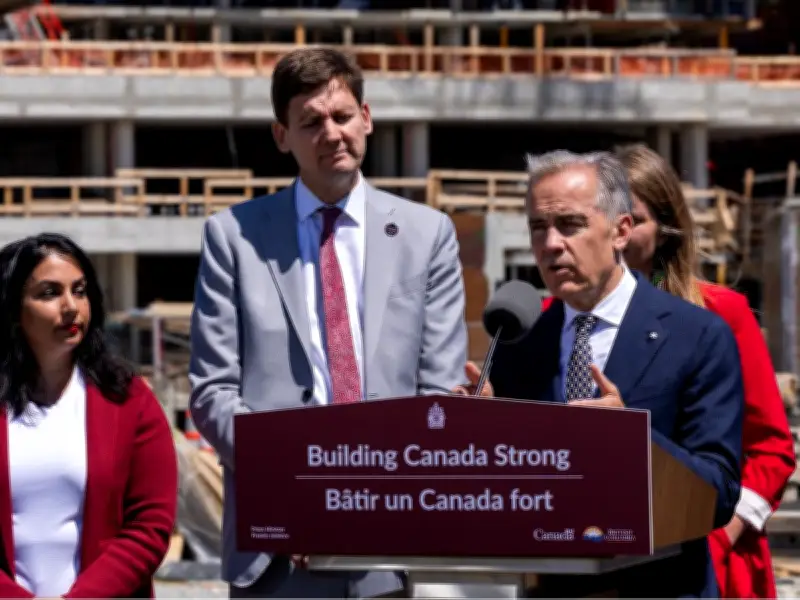
Prime Minister Mark Carney and Premier David Eby recently announced a plan to purchase vacant condominium units and convert them into affordable housing through a proposed rent-to-own program. However, details remain scarce: the number of units, expected discounts, financing structure, and how the rent-to-own model will operate are all unclear.
Criticism and Support for the Buyout Plan
The announcement sparked immediate criticism. Some observers described it as a bailout for developers struggling to sell units in a cooling market. Others welcomed it as a pragmatic way to put existing housing stock to use. Both reactions are understandable, but a more fundamental question arises: If Canada faces a severe housing shortage, why are thousands of completed homes available for governments to buy?
This question is not rhetorical. It aims to understand what is happening in the housing system and why answers remain elusive. For years, Canadians have been told housing affordability is primarily a supply problem. Governments have focused on accelerating approvals, reducing development charges, and streamlining regulations, all under the belief that more housing would improve affordability.

The Mismatch Between Supply and Demand
Yet Canada Mortgage and Housing Corp. data show thousands of completed condominium units sitting vacant across British Columbia, including 4,376 in Metro Vancouver alone—a 76 percent increase from the previous year. How can a province facing a housing shortage have thousands of empty homes?
The answer is that housing need and housing demand are not the same. Many households need housing, but that does not mean they can afford what the market produces. Markets respond to demand backed by purchasing power, not need. Andy Yan of Simon Fraser University estimates roughly one-third of Metro Vancouver’s unsold condominium inventory is priced above $1 million. Thus, a shortage of affordable housing can coexist with a surplus of unaffordable housing.
Implications for Policy
The proposed purchases expose a deeper question: What exactly are governments trying to save? The problem may not simply be supply but a mismatch between what is being built and what people can realistically pay. The system has consistently produced the former while calling it a solution to the latter.