Supreme Court Overturns Party Spending Caps
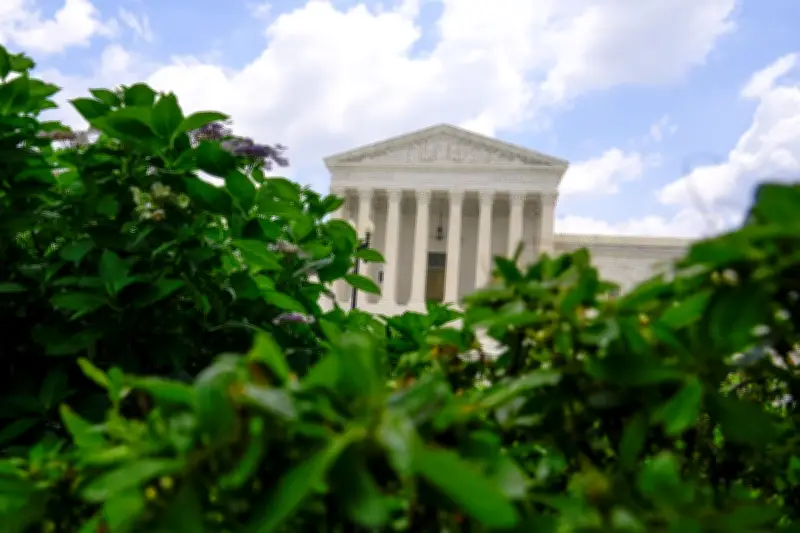
The U.S. Supreme Court on Monday struck down limits on how much political parties can spend in support of federal candidates, siding with Republican challengers in a decision that reshapes campaign finance law. The 6-3 ruling invalidated caps that had been in place since 2002 under the Bipartisan Campaign Reform Act, also known as McCain-Feingold.
The case was brought by the Republican National Committee and other party groups, which argued that the limits violated free speech rights under the First Amendment. The court agreed, with Chief Justice John Roberts writing for the majority that "the government may not restrict political parties' independent expenditures simply because they are coordinated with candidates."
Impact on Campaign Finance Landscape
The decision allows parties to spend unlimited sums on ads, voter outreach, and other activities that explicitly advocate for or against a candidate, as long as they are not directly coordinated with the campaign. This effectively removes a key restriction that had been in place to prevent corruption or the appearance of quid pro quo arrangements.

Justice Elena Kagan dissented, warning that the ruling "opens the door to unlimited contributions funneled through parties, undermining the integrity of federal elections." She noted that the decision could lead to a surge in party spending, which in 2020 totaled about $1.5 billion, according to the Federal Election Commission.
Political Reactions
Republican leaders praised the ruling as a victory for free speech. "This decision restores the ability of parties to effectively communicate with voters," said RNC Chairwoman Ronna McDaniel. "Americans deserve to hear from their parties without government-imposed speech limits."
Democrats condemned the ruling, with Senate Majority Leader Chuck Schumer calling it "a dark day for democracy" that "will unleash a flood of dark money into our elections." Campaign finance reform groups also criticized the decision, arguing it further erodes safeguards against corruption.
Broader Context
The ruling is the latest in a series of Supreme Court decisions that have loosened campaign finance restrictions, including Citizens United v. FEC (2010), which allowed unlimited corporate and union independent spending, and McCutcheon v. FEC (2014), which struck down aggregate contribution limits. The decision is expected to have immediate effects, with parties now able to spend freely in the upcoming midterm elections.