Global Stock Markets Experience Widespread Declines
Global shares are predominantly trading lower as financial markets react to the intensifying conflict in Iran and its profound implications for worldwide energy supplies. Investors are closely monitoring the situation, with concerns mounting over potential disruptions to oil production and transportation routes in the volatile Middle East region.
Energy Sector Volatility Intensifies
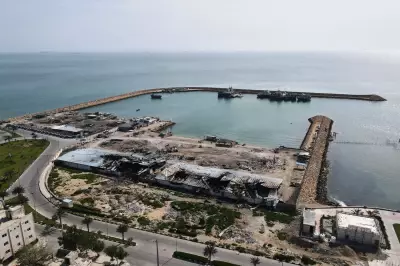
The ongoing military actions have directly impacted energy markets, leading to a sharp surge in crude oil and fuel prices. This spike is attributed to reported tanker disruptions and facility shutdowns, which are rattling global supply chains. Analysts warn that further escalation could exacerbate these issues, potentially leading to sustained higher energy costs for consumers and industries alike.
Market analysts emphasize that the Iran conflict presents a significant risk to energy stability, with many countries heavily reliant on Middle Eastern oil exports. The uncertainty has prompted a flight to safer assets, contributing to the downward pressure on equity markets across Asia, Europe, and North America.

Broader Economic Implications
Beyond immediate energy concerns, the conflict is influencing broader economic indicators. The rise in oil prices is expected to fuel inflationary pressures, complicating central bank policies aimed at controlling price growth. Additionally, sectors dependent on stable energy costs, such as manufacturing and transportation, face increased operational challenges.
Investor sentiment remains cautious, with many adopting a wait-and-see approach as geopolitical developments unfold. The situation underscores the interconnectedness of global markets, where regional conflicts can swiftly translate into worldwide financial turbulence.
Regional and Sector-Specific Impacts
Specific regions are experiencing notable effects:
- North America: U.S. and Canadian markets are reacting to both energy price hikes and related security concerns, including incidents like the drone strike on the U.S. embassy in Riyadh.
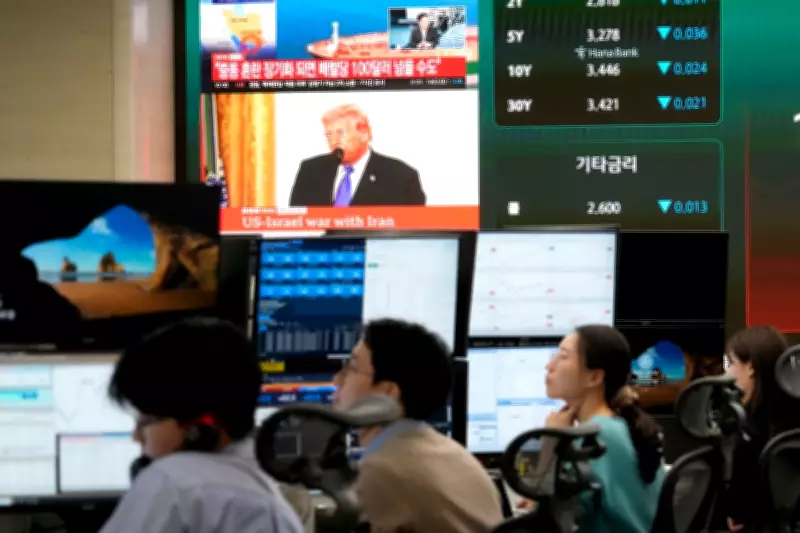
- Asia: Markets in South Korea and other energy-importing nations are particularly sensitive to supply disruptions, as seen in trading activities in Seoul.
- Europe: European shares are under pressure due to the region's dependency on Middle Eastern energy imports and broader economic uncertainties.
As the conflict continues, financial experts advise investors to monitor energy sector reports and geopolitical updates closely. The coming weeks will be critical in determining whether these market declines are a temporary reaction or the beginning of a more sustained downturn linked to energy supply instability.