Elon Musk's Pre-Twitter Purchase Tweets Under Scrutiny in Federal Court
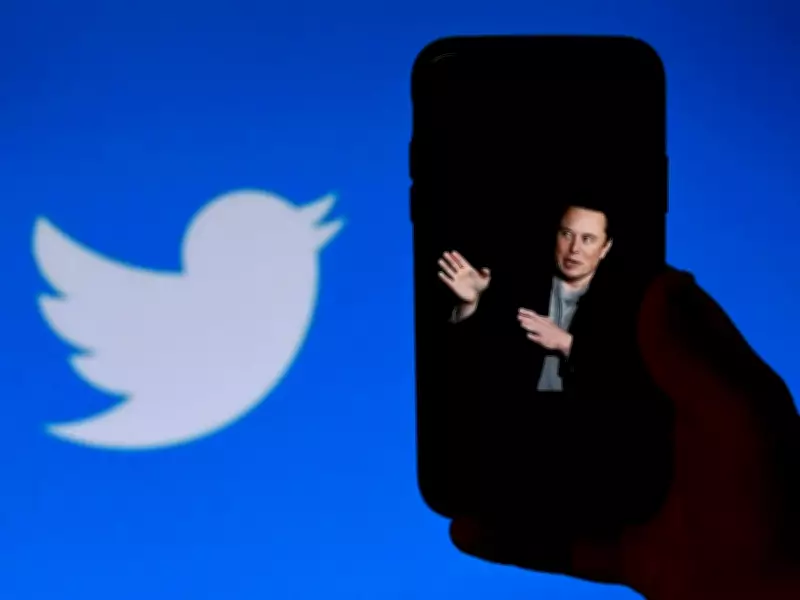
A new federal trial commencing this week centers on allegations that billionaire entrepreneur Elon Musk deliberately manipulated Twitter's stock price through strategic social media posts before ultimately acquiring the platform for $44 billion in 2022. The legal proceedings, unfolding in San Francisco federal court, will examine whether Musk's public statements about Twitter constituted a calculated effort to depress the company's market value for personal financial gain.
The Core Allegations: Market Manipulation Through Social Media
Investors bringing the lawsuit claim that during the tumultuous six-month period between Musk's initial agreement to purchase Twitter and the final acquisition, the billionaire engaged in a deliberate campaign to undermine the company's valuation. Specifically, they point to Musk's May 2022 announcement that he was putting the Twitter buyout "temporarily on hold" while questioning the platform's metrics regarding spam and fake accounts.
Following this declaration, Twitter shares experienced significant volatility, dropping nearly 20% in premarket trading and closing approximately 10% lower that same day. The stock remained unstable throughout the subsequent months as Musk publicly wavered between pursuing a hostile takeover, attempting to withdraw his offer, and ultimately completing the acquisition after Twitter sued him to enforce the original agreement.

Legal Challenges and Musk's Defense Strategy
"Demonstrating the intent behind Mr. Musk's statements represents one of the primary obstacles plaintiffs must overcome to prevail in this case," explained Kevin Haeberle, a law professor at University of California-Irvine. "While establishing deliberate intent presents difficulties, it does not constitute an insurmountable barrier for the legal team representing investors."
Musk has consistently denied any wrongdoing, maintaining that he had no intention to deceive investors through his public communications. His defense will likely emphasize that his statements reflected genuine concerns about Twitter's operations and valuation metrics rather than constituting a calculated scheme to manipulate stock prices.
Historical Context: Musk's Complex Relationship with Regulators
This trial revisits familiar territory regarding Musk's unconventional approach to market communications through social media platforms. In 2018, Musk reached a settlement with the Securities and Exchange Commission following allegations of securities fraud related to his tweet claiming he had "funding secured" to take Tesla private. As part of that agreement, Musk consented to having his social media posts about material Tesla information pre-approved by an in-house attorney—an arrangement he later challenged unsuccessfully all the way to the Supreme Court.
Despite these regulatory entanglements, Musk has developed a reputation for prevailing in high-stakes legal battles that many observers expected him to lose. Following a separate 2023 trial in San Francisco where Tesla investors sued him over the same tweet that prompted SEC action, jurors cleared him of wrongdoing after just two hours of deliberations—earning him the nickname "Teflon Elon" for his ability to emerge legally unscathed from complex litigation.
Broader Legal Landscape and Ongoing Challenges
Regardless of the outcome in this particular trial, Musk continues to face additional legal challenges related to his Twitter acquisition. These include an investor lawsuit proceeding in New York federal court and ongoing proceedings with the Securities and Exchange Commission in Washington. The billionaire's unconventional communication style and its intersection with securities regulations remain a persistent theme across multiple jurisdictions and legal contexts.
The trial will scrutinize the precise timing and content of Musk's tweets alongside market reactions, seeking to establish whether a deliberate pattern of market manipulation existed. Legal experts anticipate that Musk himself will serve as a key witness, providing testimony that could significantly influence the proceedings' direction and ultimate resolution.