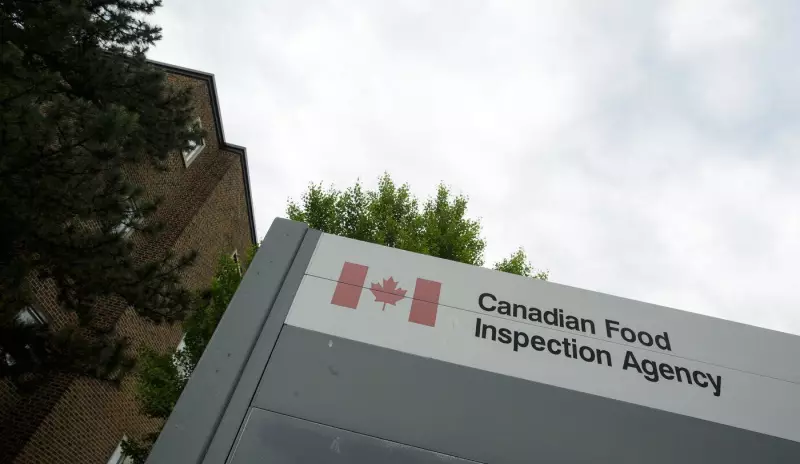
Union Warns of Significant Staff Reductions at National Food Inspection Body
The Canadian Food Inspection Agency (CFIA) is poised to undergo a substantial workforce reduction, with plans to cut more than 1,300 jobs, according to statements from union representatives. This development has sparked immediate concerns regarding the agency's capacity to maintain its critical mandate of safeguarding the nation's food supply and upholding stringent safety standards.
Scope and Impact of the Planned Workforce Reduction
The proposed cuts represent a significant downsizing of the federal agency responsible for inspecting food products, plants, and animals. The union, which represents many of the agency's employees, has raised the alarm about the potential consequences of such a deep reduction in staffing levels. These positions are spread across various inspection and administrative roles that are fundamental to the CFIA's daily operations.
The timing and specific details of the implementation remain under discussion, but the scale of the cuts suggests a major restructuring effort. This move comes amid ongoing public and political debates about government spending and efficiency. However, critics argue that reducing the frontline inspection workforce could compromise the system's integrity and responsiveness.

Potential Ramifications for Food Safety and Public Health
Food safety experts and the union itself have expressed apprehension that a leaner agency may struggle to perform its duties effectively. The CFIA plays a pivotal role in preventing foodborne illness outbreaks, enforcing labeling regulations, and ensuring compliance with national and international food safety protocols. A reduction in inspectors could lead to fewer routine checks at processing facilities, farms, and border points.
This situation raises critical questions about risk management and resource allocation within the public sector. The union contends that maintaining a robust inspection presence is non-negotiable for public health. They warn that cutting too deeply could erode the preventative measures that keep Canada's food system among the safest in the world.
Broader Context and Union Advocacy
The announcement follows a period of scrutiny on federal agency budgets and staffing. The union is expected to vigorously oppose the cuts, advocating for the preservation of these jobs to protect both workers' livelihoods and the public interest. They are likely to engage in discussions with agency management and potentially the federal government to mitigate the impact.
The final number of positions eliminated and the timeline for these changes will be closely watched by industry stakeholders, consumer advocacy groups, and provincial partners who rely on federal inspection data. The outcome of this process will have lasting implications for how food safety is managed and enforced across the country.