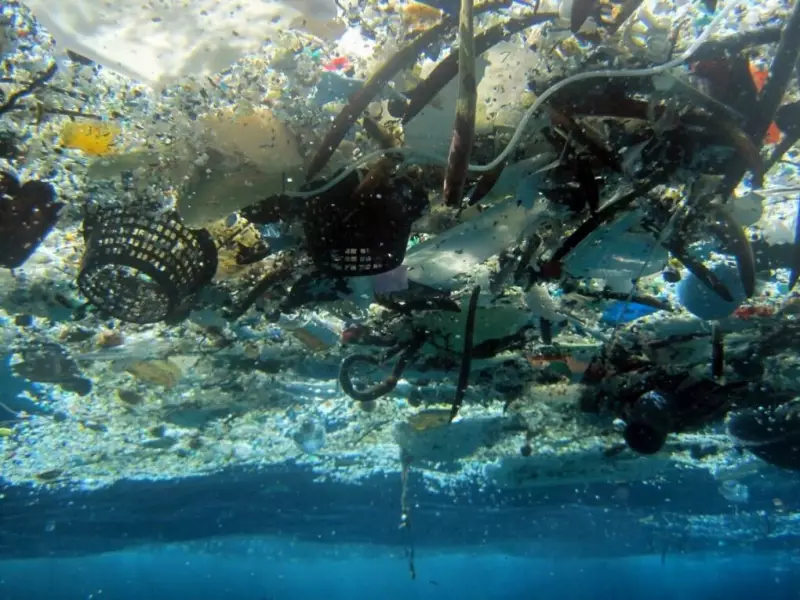
Alarming Study Finds Microplastics in One-Third of Pacific Island Fish
A recent scientific survey has uncovered a disturbing trend in the Pacific Ocean: microplastics are present in approximately one-third of fish sampled from Pacific Island regions. This finding underscores the pervasive nature of plastic pollution in marine ecosystems and raises significant concerns about food safety and environmental health.
Widespread Contamination in Marine Life
The research, which analyzed fish from various Pacific Island locations, indicates that microplastic particles are being ingested by a substantial portion of the local fish population. These tiny plastic fragments, often less than five millimeters in size, originate from the breakdown of larger plastic waste or from microbeads in personal care products. Once in the water, they are consumed by fish, potentially entering the food chain.
The implications of this contamination are multifaceted. For communities in the Pacific Islands, where fish is a dietary staple, there are direct human health considerations. Microplastics can carry toxic chemicals and pathogens, which may accumulate in the bodies of both fish and humans over time. Additionally, the ecological impact on marine biodiversity is a pressing issue, as ingestion of plastics can cause physical harm, reduced growth, and reproductive issues in fish species.

Environmental and Health Concerns Amplified
This study adds to a growing body of evidence highlighting the global crisis of plastic pollution in oceans. The Pacific Islands, with their reliance on marine resources, are particularly vulnerable. The presence of microplastics in fish not only threatens local fisheries and food security but also points to broader environmental degradation.
Experts emphasize the need for urgent action to address plastic waste at its source. Strategies include reducing single-use plastics, improving waste management systems, and enhancing international cooperation to clean up ocean debris. Public awareness campaigns and policy interventions are crucial to mitigating this issue.
In summary, the discovery of microplastics in one-third of surveyed Pacific Island fish serves as a stark reminder of the far-reaching consequences of plastic pollution. It calls for immediate efforts to protect marine environments and ensure the sustainability of vital food sources for island communities.