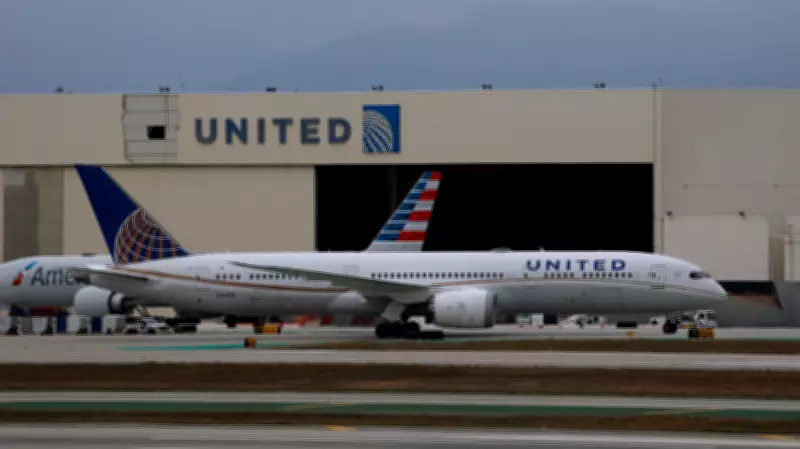
In a stark warning to travelers, United Airlines CEO Scott Kirby stated on Wednesday that ticket prices may need to surge by as much as 15% to 20% to counteract a dramatic spike in jet fuel expenses. This move signals a critical challenge for consumers, who may soon face significantly higher airfares as the aviation industry contends with unpredictable oil market fluctuations.
Earnings Call Insights and Financial Forecasts
During the company's recent earnings call, Kirby emphasized United's aggressive strategy to recover the full extent of increased fuel costs "as quickly as possible." The airline is targeting a complete pass-through of these expenses, aiming for double-digit pre-tax margins in the upcoming year. "Yields need to increase by about 15% to 20%," Kirby explained, noting that the carrier anticipates fuel prices could remain elevated for an extended period.
This announcement follows United's projection of second-quarter and full-year profits falling below Wall Street estimates. Higher jet fuel prices are squeezing margins and casting a shadow over the airline's near-term outlook, despite sustained strong demand for premium travel services. In response to these pressures, United's shares dropped approximately 6% in morning trading.

Fuel Price Assumptions and Operational Adjustments
The Chicago-based airline clarified that its financial forecast is based on the Gulf Coast jet fuel forward curve as of April 17. United cautioned that actual results could vary significantly, landing at either end of its guidance range depending on future fuel price movements. Currently, the airline expects to pay around $4.30 per gallon for fuel in the present quarter, highlighting the intense strain from escalating energy costs.
To mitigate these challenges, United has already initiated price adjustments, implementing five fare increases late in the first quarter alongside higher baggage fees. These measures have begun to partially offset the rising fuel expenditures, demonstrating the airline's proactive approach to financial management.
Recovery Timeline and Consumer Impact
United outlined a phased recovery plan, anticipating it will recoup only 40% to 50% of the fuel cost increase through fares and other revenue strategies in the second quarter. This recovery rate is expected to improve to 70% to 80% in the third quarter, potentially reaching as high as 85% to 100% by the fourth quarter.
Company executives reported that ticket yields rose about 12% in early March, climbing further to approximately 18% in the latter half of the month. Kirby acknowledged that while the airline has not yet observed a decline in demand despite these price hikes, higher fares will inevitably test consumer resilience. "As yields increase, there will be an elasticity effect on demand," he stated, underscoring the delicate balance between cost recovery and market retention.
Broader Industry Context and Financial Performance
The situation unfolds against a backdrop of geopolitical tensions, such as recent conflicts involving the U.S. and Israel with Iran, which have contributed to fuel price surges. United reported better-than-expected first-quarter revenue of $14.61 billion, surpassing analyst predictions of $14.44 billion. However, profitability pressures and cautious forward guidance have dampened investor sentiment, leading the airline to revise its full-year outlook downward from $12–$14 to $7–$11 per share.
This comprehensive analysis reveals the intricate dynamics facing United Airlines as it navigates economic uncertainties, striving to maintain operational viability while addressing the inevitable consumer repercussions of substantial fare increases.