Warner Bros. Shareholders to Decide Fate of $110 Billion Paramount Merger
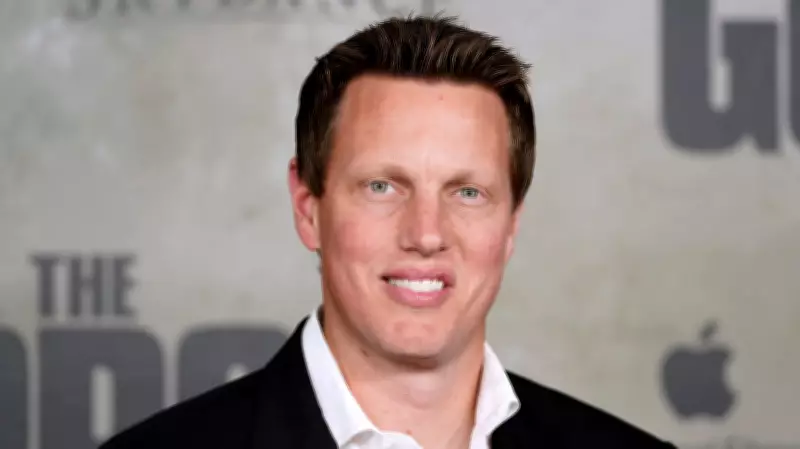
Warner Bros. shareholders are poised to cast a critical vote this Thursday on a monumental deal that would merge the historic Hollywood powerhouse with Paramount Skydance, a major media conglomerate led by David Ellison, a close ally of President Donald Trump. The timing is particularly noteworthy as the Trump administration concurrently evaluates whether to grant approval for the colossal $110 billion takeover.
Intimate Ties to the White House
Reports indicate that Paramount CEO David Ellison is scheduled to host an "intimate" dinner on Thursday evening to "honor" President Trump. Furthermore, just two nights later, top Trump administration officials—Defense Secretary Pete Hegseth and deputy chief of staff Stephen Miller—are expected to be Ellison's guests at the White House Correspondents' Dinner, attending alongside CBS News, a network owned by Paramount.
David Ellison's father, Larry Ellison, ranks as the sixth-wealthiest individual globally and is a significant Republican donor. President Trump has publicly referred to the Ellison duo as "friends of mine" and "big supporters of mine." Together, they command substantial influence over American politics and mass media, an influence that could expand dramatically should shareholders approve the merger.

A Growing Media Empire
Through this proposed merger and prior acquisitions, the Ellisons could soon preside over an extensive portfolio of networks, studios, and platforms, including:
- Warner Bros. (encompassing New Line Cinema and Castle Rock Entertainment)
- Paramount
- DC Studios
- The Discovery Channel
- CNN
- CBS (including its news and sports divisions)
- HBO
- BET
- Fandango
- Rotten Tomatoes
- Nickelodeon, MTV, Cartoon Network
- Food Network, Travel Channel, Investigation Discovery, Animal Planet
- Comedy Central, Showtime, TBS, TLC, HGTV
Senator Bernie Sanders (I-Vt.) highlighted this consolidation in a March social media post, labeling it "oligarchy." Despite such criticism, with multiple third-party advisory firms recommending a "yes" vote, the merger is anticipated to proceed.
Regulatory and Consumer Concerns
John Bergmayer, legal director of the public-interest group Public Knowledge, expressed opposition to the deal, advocating for greater consumer choice. He noted that while Netflix's earlier proposal to acquire Warner Bros. might have posed fewer regulatory hurdles as a vertical integration, the Paramount-Warner Bros. merger represents a horizontal consolidation that raises significant antitrust questions.
The central inquiry revolves around the potential impact on the U.S. media landscape. Will a merged Paramount and Warner Bros. lead to reduced professional content production, and could that content exhibit a rightward ideological shift? Critical questions emerge regarding information dissemination, factual reporting, and whose perspectives will be amplified or silenced.
Editorial Independence Under Scrutiny
Publicly, David Ellison has denied that his takeover would compromise editorial independence at news networks like CNN, asserting in a March CNBC interview that such independence "will absolutely be maintained" and is already upheld at CBS. However, his previous merger with Paramount Global has already triggered concerns.
In October, Ellison announced the integration of the right-wing website The Free Press into CBS News, appointing its founder, staunch conservative Bari Weiss, as editor-in-chief. Weiss's tenure has included the cancellation of a "60 Minutes" segment critical of the Trump administration's immigration policies, though it eventually aired in January. Additionally, CBS's decision to cancel "The Late Show with Stephen Colbert," hosted by a prominent Trump critic, was viewed by many as a strategic concession during the administration's merger review.
Defense Secretary Pete Hegseth hinted at potential changes for CNN in a recent press conference, trailing off with, "The sooner David Ellison takes over..." This prospect has deeply unsettled industry insiders and media observers.

Hollywood Opposition and Creative Consequences
Over 4,000 Hollywood actors, writers, and directors signed a letter last week vehemently opposing the merger. The letter lamented a "steep decline in the number of films produced and released" and a narrowing of story diversity, warning that "a small number of powerful entities determine what gets made—and on what terms." It emphasized that "competition is essential for a healthy economy and a healthy democracy" and criticized media consolidation for weakening a vital global industry.
Last year, Warner Bros. produced acclaimed films like "One Battle After Another" and "Sinners," featuring left-wing guerrillas and Black creators, respectively. The merger's full impact may remain elusive, manifesting in the absence of stories, perspectives, and projects that never receive production approval. Bergmayer described this as "a loss of opportunity, a loss of voices."
Legal Challenges on the Horizon
If the Trump administration does not intervene, the merger could face legal battles. Bergmayer believes there is "a pretty substantial case that this violates antitrust law" and anticipates "substantial challenges." There is precedent for hope: a coalition of state attorneys general recently persuaded a federal judge to halt the merger of local television corporations Nexstar and Tegna, demonstrating that regulatory pushback is possible.
As shareholders prepare to vote, the outcome will not only shape the future of two entertainment giants but also potentially redefine media power dynamics in an era of increasing consolidation and political entanglement.