Jewish Community Confronts Intimidation, Depends on Law Enforcement for Safety
Communities are not abstract concepts built on paper; they are living entities forged through physical presence and shared experiences. For Jewish communities across British Columbia, this fundamental truth has been tested by a climate of fear and intimidation that emerged following the October 7, 2023 Hamas attacks on Israel.
The Essential Nature of Gathering
Judaism is inherently communal, requiring physical gathering for prayer, learning, and mutual support. Many sacred rituals demand a quorum of participants, making the ability to assemble safely not just convenient but essential to religious practice. When people begin questioning whether it's safe to attend synagogue, school, or community events, the very fabric of Jewish life begins to unravel.
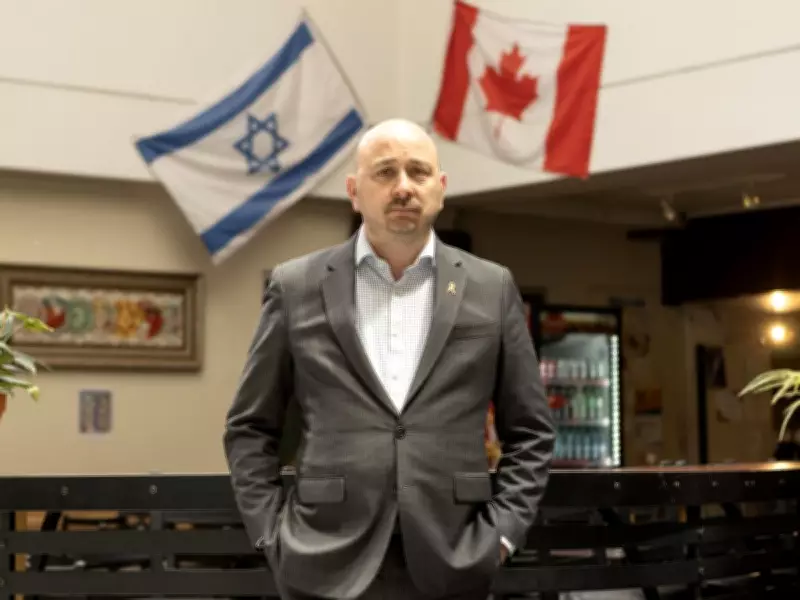
Ezra S. Shanken, reflecting on this challenge, recalls the profound emptiness he felt entering the Jewish Community Centre after its COVID-19 closure. "The temperature was nearly identical to the day before, yet inside the building felt profoundly different," he writes. "It was not just empty. It was cold. The absence of people had stripped the space of its soul."

From Pandemic Emptiness to Intimidation's Chill
That chilling emptiness threatened to return not from a public health crisis, but from something more insidious: fear, intimidation, and extremism. In the months following October 2023, Jewish community leaders observed members hesitating to participate in public Jewish life, questioning whether schools, synagogues, and community centers remained safe spaces.
"When that happens, the consequences are not abstract," Shanken emphasizes. "They are immediate and deeply human. A community begins to shrink, not by choice, but by necessity."
Police Presence as Practical Protection
Across British Columbia, officers from the Vancouver Police Department, RCMP, and other security services have maintained consistent, visible presences outside Jewish institutions. This protection is not merely symbolic but practical and preventative, enabling parents to send children to school with confidence, seniors to attend services without hesitation, and the entire community to remain visibly present in public life.
One officer's comment particularly resonated with Shanken: "I don't weigh in on politics. I'm here to protect everyone. But if I can choose between being spit on or being hugged, I'll take a hug any day." This simple statement reveals the humanity behind the uniform and the emotional toll of protective service that often remains unseen by the public.
Leadership and Resolve in Challenging Times
Community leadership during such periods requires clarity and determination. "We do not retreat. We do not disappear," Shanken asserts. "And we do not accept intimidation as the cost of living openly as Jews." This resolve is made possible by those who stand watch so communities can stand together.
Jewish tradition teaches that saving a single life equates to saving an entire world. Protecting Jewish communities, therefore, means safeguarding thousands of these worlds—not just buildings, but the people who give them meaning and purpose.
Beyond a Single Day of Appreciation
While January 9 is recognized as Law Enforcement Appreciation Day, for communities facing intimidation, appreciation for protective services extends far beyond a calendar date. The consistent presence of officers has become integral to maintaining community cohesion and preventing forced withdrawal from public spaces.
As Shanken concludes, to those who stand outside schools, synagogues, and community spaces ensuring safe gathering: "We say thank you." This gratitude reflects not just politeness but recognition that community survival in challenging times depends on both internal resilience and external protection.