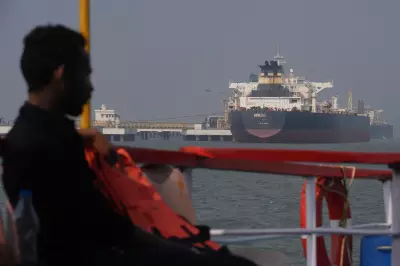
Saudi Aramco, the world's largest oil exporter, is actively exploring the possibility of redirecting more of its crude shipments through the Red Sea port of Yanbu. This strategic move aims to circumvent the increasingly problematic Strait of Hormuz, where dozens of vessels are currently immobilized due to escalating conflicts in the Middle East.
Navigating Geopolitical Turbulence
The company traditionally exports the majority of its crude from ports located within the Persian Gulf. However, recent regional hostilities have created a significant maritime logjam, prompting Aramco to consider alternative export routes. The state-owned giant has initiated discussions with certain Asian customers to determine their capability to receive cargoes from Yanbu instead of traditional Gulf ports.
Infrastructure and Capacity Considerations
Saudi Arabia possesses a critical piece of infrastructure that makes this export shift feasible: the 746-mile East-West Pipeline. This pipeline system has the capacity to transport up to 5 million barrels per day from oil fields in the eastern part of the kingdom to the Red Sea coast in the west. While this capacity won't cover all of Saudi Arabia's overseas sales, which reached approximately 7.2 million barrels daily last month, it provides a substantial alternative export pathway.

According to industry sources familiar with the matter, Aramco has been quietly sounding out shipping companies about their willingness to change loading locations from Persian Gulf ports to Yanbu. These discussions remain confidential as the company evaluates its options amid growing regional instability.
Production and Export Statistics
Saudi Arabia maintains robust oil production levels, currently extracting about 10 million barrels of crude daily. The kingdom's observed exports climbed to roughly 7.2 million barrels per day last month, demonstrating the critical importance of maintaining reliable export channels for the world's leading oil producer.
Security Concerns in the Red Sea
The Red Sea alternative is not without its own security challenges. Yemen's Iran-backed Houthi militant group has previously threatened to resume attacks on vessels navigating these waters. Although no recent incidents have been reported, the persistent threat has been significant enough to cause major shipping lines to reconsider plans to return to this route, creating additional complications for maritime logistics.
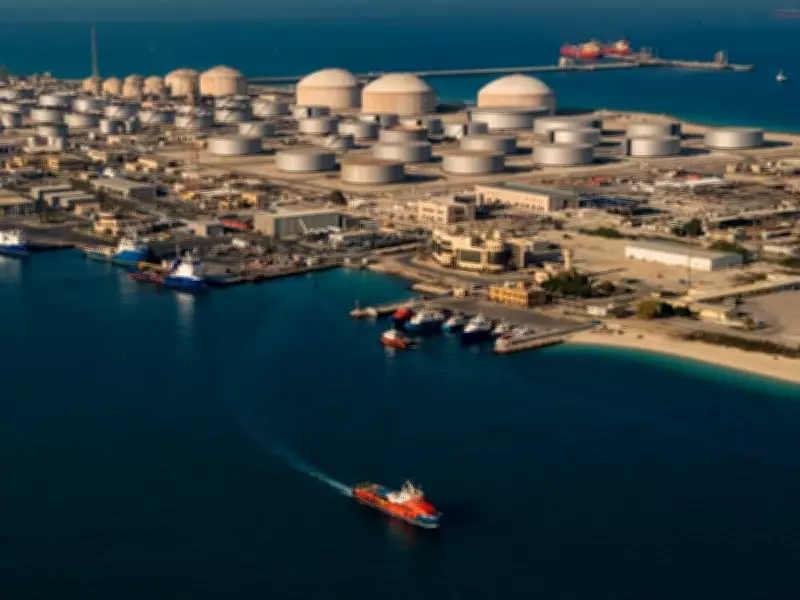
The expanding conflict in the Middle East has already impacted Aramco's operations directly. The company was forced to temporarily shut down its massive Ras Tanura refinery in the Persian Gulf following a drone strike, highlighting the vulnerability of Gulf-based infrastructure to regional hostilities.
Storage and Production Implications
The slowdown in maritime traffic through the Strait of Hormuz has raised serious concerns about storage capacity in the region. Industry analysts fear that storage tanks could reach maximum capacity, potentially forcing production cuts if export routes remain obstructed. This scenario underscores the urgency of developing alternative export pathways to maintain production levels and global market stability.
Aramco has not provided official comment on these export strategy discussions, maintaining its customary discretion regarding operational matters. However, the company's exploration of Red Sea export options represents a significant strategic response to the evolving geopolitical landscape in the Middle East.
The kingdom's ability to potentially reroute substantial volumes of crude through the East-West Pipeline to Yanbu provides Saudi Arabia with valuable flexibility as it navigates the complex challenges of regional conflict while maintaining its crucial role in global energy markets.