Saudi Aramco Explores Alternative Crude Oil Shipping Routes to Bypass Strait of Hormuz
In a strategic move to enhance energy security, Saudi Aramco, the world's largest oil company, is actively seeking to reroute its crude oil shipments away from the Strait of Hormuz, according to sources cited by Reuters. This initiative comes as regional tensions, particularly involving Iran, escalate, highlighting the vulnerability of this critical maritime passage.
Navigating Geopolitical Risks in Oil Transit
The Strait of Hormuz, located between Oman and Iran, is one of the most vital chokepoints for global oil trade, with approximately one-fifth of the world's petroleum liquids passing through it daily. Any disruption here could severely impact international energy markets and prices. Saudi Aramco's exploration of alternative routes aims to mitigate these risks by diversifying its export pathways.
Sources indicate that the company is evaluating options such as increasing pipeline capacity to ports on the Red Sea or the Arabian Sea, which would allow crude to be shipped without traversing the strait. This could involve leveraging existing infrastructure, like the East-West Pipeline, or developing new logistical networks to ensure a steady flow of oil to global markets.

Implications for Global Energy Security
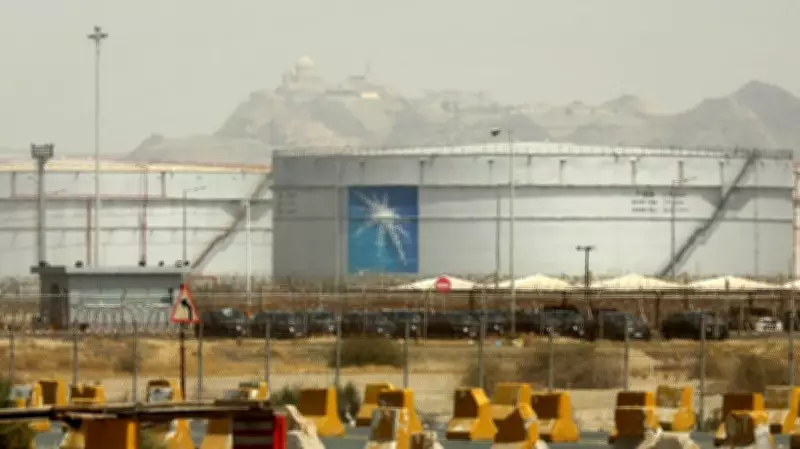
This rerouting effort underscores Saudi Arabia's proactive approach to safeguarding its oil exports amid ongoing conflicts in the Middle East. By reducing reliance on the Strait of Hormuz, Aramco not only protects its own operations but also contributes to stabilizing global energy supplies. The move is seen as a response to recent incidents, such as drone attacks on oil facilities, which have raised concerns about the security of maritime routes in the region.
Industry analysts note that while alternative routes may involve higher initial costs, the long-term benefits in terms of risk reduction and supply chain resilience could outweigh these expenses. This strategy aligns with broader trends in the energy sector, where companies are increasingly prioritizing diversification and security in response to geopolitical uncertainties.
Future Outlook and Regional Dynamics
As Saudi Aramco advances its plans, the success of this initiative will depend on factors like infrastructure development, international cooperation, and the evolving geopolitical landscape. The company's actions may influence other oil-producing nations in the Gulf to consider similar measures, potentially reshaping global oil shipping patterns.
In summary, Saudi Aramco's pursuit of alternative crude oil routes away from the Strait of Hormuz reflects a strategic shift towards enhancing energy security in a volatile region. This development highlights the ongoing challenges in global oil trade and the importance of adaptive strategies in maintaining stable energy supplies worldwide.