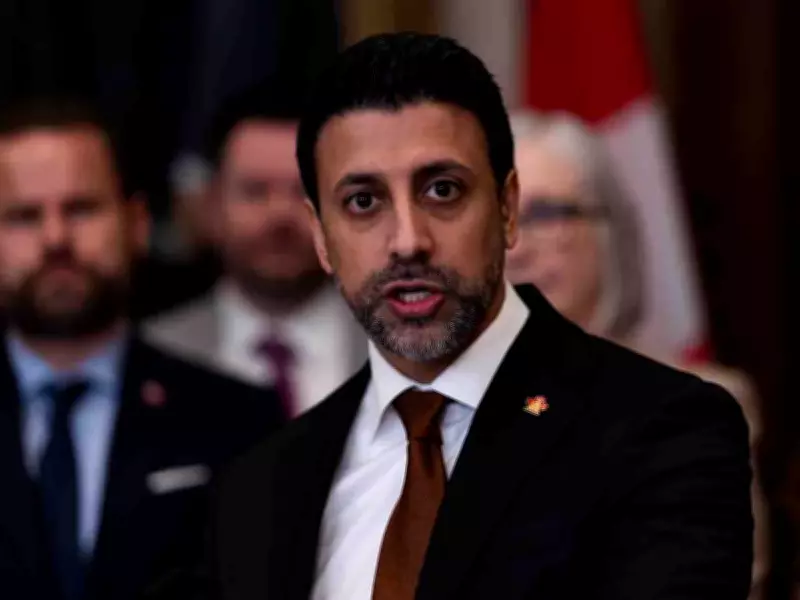
Canada's top trade official has positioned the nation as a stable and reliable energy supplier during a period of significant oil price volatility. This strategic promotion comes as geopolitical tensions in the Middle East threaten to disrupt global energy flows through critical maritime channels.
Minister Sidhu's Seoul Remarks
Canadian International Trade Minister Maninder Sidhu, speaking from Seoul during a four-day trade mission to South Korea, emphasized Canada's energy capabilities in a Bloomberg TV interview. "We're getting a lot of calls these days," Sidhu revealed, noting increased international interest in Canadian energy resources.
The minister highlighted Canada's diverse energy portfolio, including crude oil, liquefied natural gas (LNG), and nuclear capacity. "If you look at crude oil, LNG but also nuclear capacity, we have all that," Sidhu stated, positioning Canada as a comprehensive energy partner for nations seeking stable supplies.

Geopolitical Context
Sidhu's comments coincided with statements from former United States President Donald Trump regarding potential escalation of military operations against Iran. Such developments could prolong disruptions to oil flows through the Strait of Hormuz, a vital waterway through which approximately one-fifth of global oil production passes.
The timing is significant as global energy markets face uncertainty. South Korea, a major crude importer with substantial dependence on Middle Eastern energy, has been actively seeking to diversify its supply sources to mitigate inflation risks and economic vulnerabilities.
Logistical Advantages
Minister Sidhu pointed to Canada's geographical advantage for Asian markets, noting that energy shipments from Canada's west coast reach Asia in approximately half the time required for shipments originating from the Gulf of Mexico. This logistical benefit enhances Canada's appeal as an energy partner for Asian economies.
According to Sidhu, much of the current interest in Canadian energy focuses on securing long-term supplies spanning the next 10 to 30 years. This reflects a broader global trend toward energy security planning amid geopolitical uncertainties.
South Korea's Energy Needs
South Korea's energy strategy has taken on increased urgency as the nation pursues growth in energy-intensive industries, particularly artificial intelligence. "There's focus here in Korea on AI," Sidhu observed. "They need energy to power that growth and we're going to be there to supply it."
The Canadian trade delegation, comprising 180 business leaders, aims to expand investment and trade relationships with Asian partners. This visit coincides with South Korea's anticipation of a decision regarding a multibillion-dollar submarine contract with Canada, which could further strengthen bilateral ties.
Broader Implications
The push for stable energy supplies from diverse sources represents a strategic shift in global energy markets. As nations reassess their energy security in light of geopolitical risks, Canada's positioning as a reliable partner could reshape international energy relationships.
Minister Sidhu's remarks underscore Canada's ambition to capitalize on current market conditions while addressing long-term energy security concerns among trading partners. The emphasis on nuclear capacity alongside traditional fossil fuels reflects Canada's comprehensive approach to energy exports.
As global energy dynamics continue to evolve, Canada's promotion of itself as a stable supplier during turbulent times highlights the intersection of geopolitics, economics, and energy security in contemporary international relations.