Canada's Strategic Energy Position Gains Global Recognition Amid Unfolding Crisis
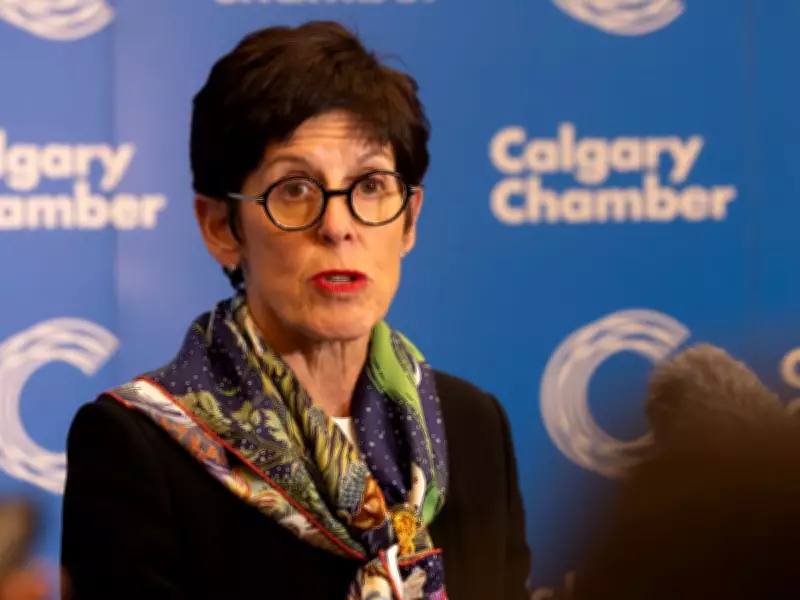
According to Deborah Yedlin, President and CEO of the Calgary Chamber of Commerce, Canada's importance as a global producer and supplier of oil and natural gas has reached unprecedented levels. In a recent opinion piece, Yedlin emphasizes that the timing of last month's CERAWeek energy conference organized by S&P Global Inc. could not have been more significant for Canadian interests.
Global Energy Markets in Turmoil
Against the backdrop of escalating conflict in the Middle East, energy producers, investors, and government officials from around the world gathered in Houston to assess the state of global energy markets. The discussions revealed that Canada's strategic position has taken what Yedlin describes as a "quantum leap forward" in importance.
Dan Yergin, vice chairman of S&P Global, told Yedlin following the conference that "this crisis — the largest in the history of world energy — will mean that security and diversification will be valued more, and Canada delivers on both accounts."

The Fundamental Role of Hydrocarbons
For the second time in four years, the world has been reminded that virtually every aspect of modern life depends on energy. From petrochemicals and fertilizers to computer chips, jet fuel, and gasoline, hydrocarbons continue to underpin the global economy and directly affect affordability worldwide.
While the Russian invasion of Ukraine four years ago offered a preview of what can happen when energy markets are disrupted, Yedlin argues the current situation presents even greater challenges. She contends that because energy systems have changed fundamentally, Canada must recognize the role it must play in both global stability and the global economy, both today and for the long term.
A Unified Canadian Presence
The significant Canadian delegation in Houston included federal and provincial government officials alongside corporate representatives, all working to showcase Canada's energy potential. From Canada's Ambassador to the United States, Mark Wiseman, to federal Energy and Natural Resources Minister Tim Hodgson, to Alberta Premier Danielle Smith and provincial Energy Minister Brian Jean, as well as the premiers of Newfoundland and Nova Scotia, the message was clear and unified: Canada is open for business.
Through numerous meetings during the conference, Canadian representatives emphasized growing Canada's energy production — both for the benefit of the U.S. market and for other countries actively seeking to diversify their energy supply.
Challenges and Opportunities
Yergin posed a critical question during the discussions: "Will Canada remain internally preoccupied with its energy discussions, or will it see it as an opportunity in the global context?"
Yedlin argues this is not the time for provincial disagreements or adherence to ideals that ignore global realities. She paraphrases John F. Kennedy, suggesting this is about what Canada can do for the world, not what the world will do for Canada. This means ensuring Canadian resources can reach markets and countries that need them — and quickly.
One notable absence from the Canadian contingent in Houston was British Columbia Premier David Eby, whose government wants to increase natural gas royalties at a time when several liquefied natural gas projects in his province are undergoing review for final investment approval. Yedlin suggests this royalty increase could jeopardize these projects precisely when the world needs Canada's LNG resources.
Yergin summarized Canada's position succinctly: "Canada's energy endowment — as the world's fourth-largest producer — gives it an important card to play in the global economy."
As global energy markets face unprecedented challenges, Yedlin concludes that Canada must meet the moment and leverage its resources to contribute to global stability and economic security.