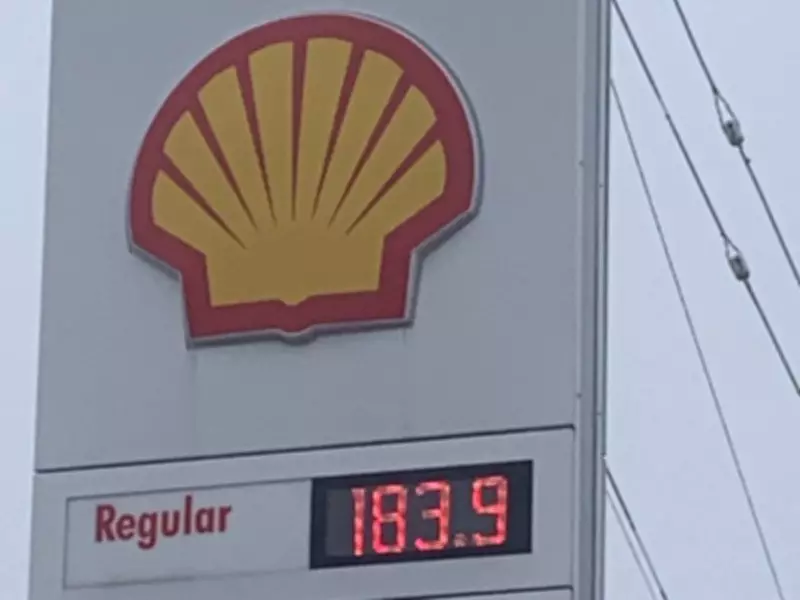
As gasoline prices across Canada surge toward $2 per liter, Prime Minister Mark Carney is under mounting pressure to take immediate action by eliminating federal taxes on fuel. In response to a reporter's question about helping Canadians cope with the escalating costs, Carney stated that his government is "looking at" potential measures, though he provided no specific details.
Conservative Leader Proposes Tax Relief Measures
Conservative leader Pierre Poilievre has publicly called on Carney to address the crisis through targeted tax cuts. In an open letter, Poilievre highlighted that with oil prices trading $45 to $50 higher per barrel than pre-war levels, the federal government could collect an additional $9 to $10 billion in revenues. He urged Carney to allocate $5 billion of this expected windfall to suspend the federal fuel excise tax and the GST on gasoline and diesel, while also permanently eliminating the federal clean fuel standard and industrial carbon tax.
Potential Savings for Canadian Families
According to Poilievre, these measures would reduce gasoline prices by approximately 25 cents per liter and diesel by 21 cents per liter. This could translate to savings of around $20 each time a parent fills a minivan, amounting to more than $1,200 annually for a family of four. Poilievre emphasized that other nations, including Australia, Spain, and Ireland, have already implemented similar fuel tax reductions to assist their citizens during economic hardships.

Alternative Funding Sources Suggested
If oil prices moderate later in the year as forecasters predict, potentially reducing federal gas tax revenues, Poilievre proposed alternative cost-saving measures. He suggested cancelling the ALTO high-speed rail project, which is estimated to cost up to $90 billion, and cutting the $26 billion spent on federal consultants. These actions, he argued, would free up resources to provide Canadians with much-needed relief at the pump.
Broader Tax Criticisms from Advocacy Groups
Franco Terrazzano, director of the Canadian Taxpayers Federation, echoed these sentiments, urging Carney to "look in the mirror" and remove federal taxes on gasoline. Terrazzano further pointed out that provincial governments impose additional fuel taxes ranging from 7.5 to 19 cents per liter, while some municipalities levy transit taxes on gasoline. Combined, these taxes can increase the total tax burden on gas by up to 65 cents per liter, which he also advocated should be reduced to enhance affordability for consumers.
The ongoing debate underscores the growing concern over fuel affordability in Canada, with stakeholders from across the political spectrum pushing for concrete steps to alleviate the financial strain on households. As Carney's government continues to evaluate options, the call for tax cuts remains a central issue in discussions about economic relief and energy policy.