Energy Security Emerges as Paramount Global Concern Amid Gulf Crisis
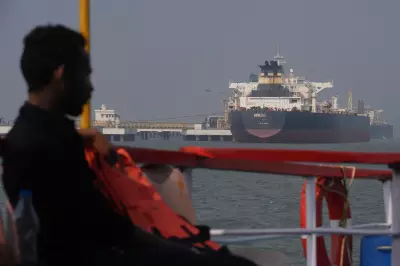
The closure of the Strait of Hormuz to non-Iranian oil shipments has sent shockwaves through global energy markets, placing energy security at the forefront of political agendas worldwide. As nations grapple with this unprecedented disruption, traditional priorities like ESG initiatives and climate change mitigation have been temporarily overshadowed by the urgent need to secure energy supplies.
Immediate Economic Impact on Households and Industries
The sudden surge in oil prices is creating significant economic pressure across multiple sectors. Household budgets, already strained by post-pandemic price increases, face further compression from rising gasoline and diesel costs. Energy-intensive industries including agriculture, trucking, and forestry are particularly vulnerable to these price shocks, with many businesses experiencing immediate financial distress.
Historical context reveals that while current price increases are substantial, they have not yet reached the peaks witnessed during previous crises. The highest recorded price for West Texas Intermediate crude occurred in May 2008 at US$140 per barrel, equivalent to US$208 in 2026 dollars. That earlier spike resulted not from geopolitical conflict but from speculation about supply shortages amid rising Asian demand.

Geopolitical Precedents and Market Volatility
Previous energy crises provide important perspective on current market conditions. The 1974 OPEC production cuts, the 1979 Iranian Revolution, and the 2022 Russian invasion of Ukraine all triggered significant oil price increases. Inflation-adjusted data shows that WTI oil prices reached even higher levels in September 1980 and May 2022 than those observed today.
Market corrections have historically followed such spikes, with substantial price declines occurring in 1986, 1998, 2015, and during the pandemic year. This pattern suggests that while current conditions are challenging, markets have demonstrated resilience through previous disruptions.
Structural Changes in Global Energy Consumption
A significant silver lining in the current crisis is the world's reduced dependence on oil compared to previous decades. Since 1980, oil consumption as a percentage of GDP has decreased by half, reflecting improved energy efficiency across global economies. The world now requires less energy to power its machinery and infrastructure.
Oil's share of the global energy mix has declined from 38 percent in 1980 to approximately 30 percent today. This structural shift means that while shipping through the Strait of Hormuz accounts for roughly one-fifth of world oil supply, today's disruption carries about half the impact it would have had fifty years ago.
Infrastructure Vulnerabilities and Secondary Effects
The conflict has exposed critical vulnerabilities in Gulf-state energy infrastructure. Iranian missile and drone strikes have already damaged Qatari natural gas facilities, reducing the country's exports by approximately 17 percent. Repairs to affected LNG trains are expected to require several months, prolonging supply constraints.
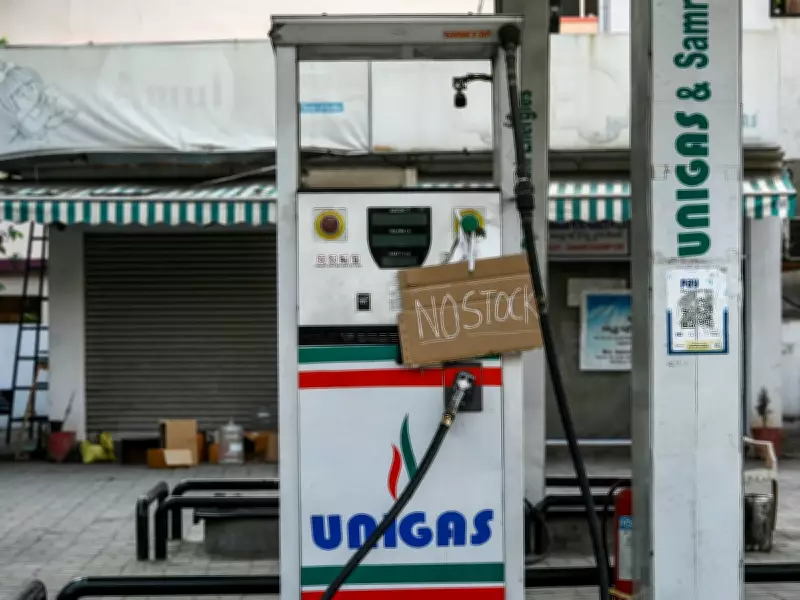
Secondary economic effects are beginning to emerge across global markets. Nearly 30 percent of fertilizer exports have been disrupted, with anticipated impacts on food prices in coming months. Should the Strait of Hormuz remain closed for an extended period, oil shortages could become severe enough to trigger rationing measures in multiple countries.
Long-Term Implications for Energy Policy
Once hostilities eventually conclude, energy security will dominate political discussions in numerous nations. Despite growing emphasis on renewable energy sources, global demand for petrochemicals, industrial production, and electrification continues to expand. Oil and natural gas will remain essential components of the global energy mix for decades to come.

The strategic importance of Gulf region stability has long concerned Western nations. More than a century ago, Winston Churchill recognized the risks of transitioning the Royal Navy from domestic coal to Persian oil, famously noting that such a commitment meant "taking arms against a sea of troubles." Today's leaders face similar strategic dilemmas as they balance energy security against broader geopolitical considerations.
As the American-Israeli conflict with Iran continues, further price increases remain possible in coming months. However, the world's improved energy efficiency and diversified energy mix provide some buffer against complete market disruption. The crisis underscores the enduring connection between energy security and national stability in an increasingly interconnected global economy.