IEA Chief Issues Dire Warning on Global Energy Crisis
The head of the International Energy Agency (IEA) has delivered a stark assessment, stating that the current oil and gas supply crisis is more severe than the combined impacts of the historic shocks in 1973, 1979, and 2022. This declaration underscores the profound challenges facing global energy markets and economies worldwide.
Unprecedented Scale of Disruption
In a recent statement, the IEA chief emphasized that the convergence of geopolitical tensions, supply chain bottlenecks, and escalating demand has created a perfect storm. The crisis of 1973, triggered by an oil embargo, and that of 1979, following the Iranian Revolution, were landmark events that reshaped energy policies. The 2022 crisis, driven by the war in Ukraine, already strained markets significantly. However, the current situation is described as surpassing all these events in combined severity, pointing to deeper structural issues in the energy sector.
Implications for Consumers and Economies
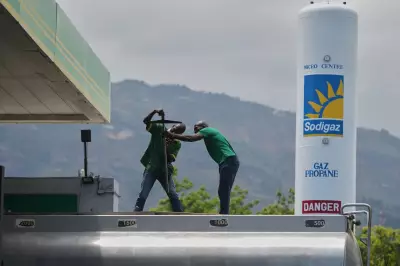
The intensified crisis is already manifesting in soaring fuel prices, with reports indicating that Canadians are facing nearly $2 per litre at gas pumps. This price surge is expected to persist, potentially for months, even if key shipping routes like the Strait of Hormuz reopen, according to analyses from the U.S. Energy Information Administration. The economic ripple effects include increased transportation costs, inflationary pressures, and reduced consumer spending power, which could hinder global recovery efforts.

Broader Context and Responses
Amid this turmoil, political leaders are grappling with responses. For instance, Prime Minister Carney has addressed public concerns over high fuel costs while defending infrastructure projects like a high-speed rail link between Toronto and Quebec City. Meanwhile, the IEA's warning highlights the urgent need for diversified energy strategies, including investments in renewable sources and enhanced supply resilience. The agency's role in monitoring nuclear energy, through its base in Vienna, Austria, also underscores the interconnected nature of global energy security.
This crisis serves as a critical reminder of the vulnerabilities in fossil fuel dependency and the importance of accelerating transitions toward sustainable energy systems to mitigate future shocks.