IEA Poised to Stabilize Oil Market Amid Iran Conflict, Document Reveals
The International Energy Agency (IEA) is ready to help stabilize the global oil market in the wake of the ongoing conflict involving Iran, according to a confidential document prepared by the agency and obtained by Bloomberg News. The document highlights that IEA member countries collectively hold more than a billion barrels of oil in emergency stockpiles, which could be deployed to mitigate market disruptions.
Meeting Scheduled to Address Middle East Crisis
The agency is scheduled to hold a meeting at 2 p.m. Paris time to discuss the escalating situation in the Middle East, as confirmed by sources with knowledge of the matter. The IEA coordinates global releases of oil inventories during times of significant market upheaval, aiming to ensure supply stability and prevent price spikes.
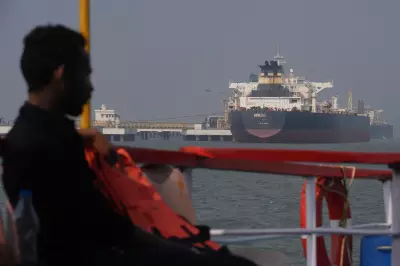
While oil production in the region remains largely unaffected, the document notes that flows through the critical Strait of Hormuz, as well as liquefied natural gas (LNG) production, have been significantly impacted by the conflict. This disruption poses a substantial risk to global energy supplies, given the strategic importance of the strait for oil shipments.

Market Conditions and Historical Context
The document states that the IEA has the capability to bring additional supply to the market when necessary, but it does not mention any immediate plans to do so, indicating that the market is currently adequately supplied. Over the past 35 years, the organization has implemented five such emergency releases: during the 1991 Gulf War, hurricanes Katrina and Rita in 2005, the 2011 Libyan uprising, and two following Russia's 2022 invasion of Ukraine.
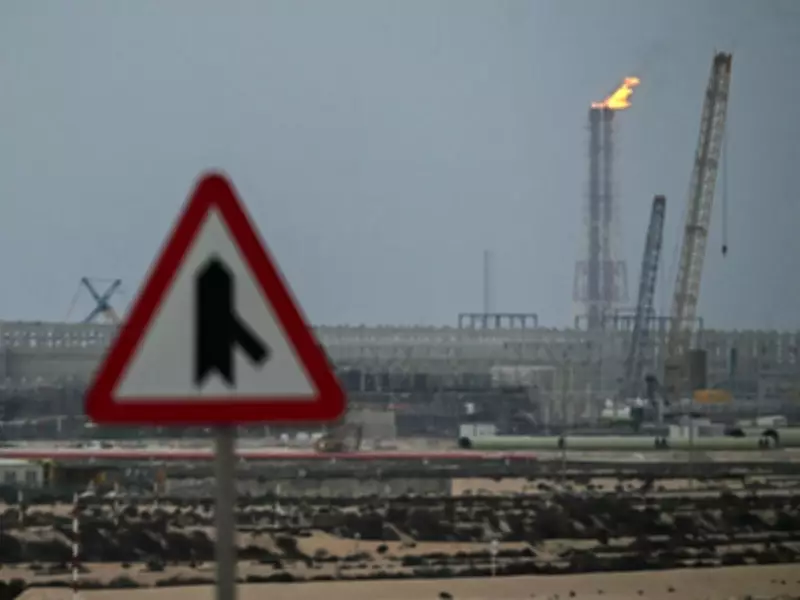
Oil futures surged above US$85 a barrel for the first time since July 2024 earlier on Tuesday, driven by intensified military actions by the U.S. and Israel against Iran, coupled with a fire at a key storage hub in the United Arab Emirates that underscored vulnerabilities in energy infrastructure.
OPEC+ Response and Geopolitical Constraints
The OPEC+ alliance agreed to a modest production increase on Sunday, with top members like Saudi Arabia boosting exports. However, these measures were insufficient to calm the volatile market. The suspension of shipping through the Strait of Hormuz further limits the ability of oil-producing nations to address supply shortfalls effectively.
The IEA's membership comprises 32 nations from the Organization for Economic Cooperation and Development (OECD), including the United States, Germany, and Japan. These countries are obligated to maintain stockpiles equivalent to at least 90 days of net oil imports, providing a buffer against supply shocks.
U.S. Stance on Emergency Reserves
In the United States, the Trump administration has no immediate plans to release oil from the nation's Strategic Petroleum Reserve, according to a person familiar with the matter as of Monday. This decision reflects a cautious approach amid the evolving geopolitical landscape.
Spokespeople for the IEA did not immediately respond to requests for comment on the document or the upcoming meeting. The agency's preparedness underscores its role in global energy security, particularly during times of conflict that threaten market stability.