IEA Director Warns Iran Conflict Creates Unprecedented Global Energy Crisis
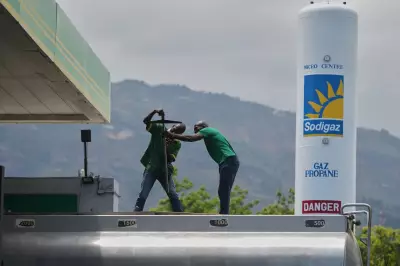
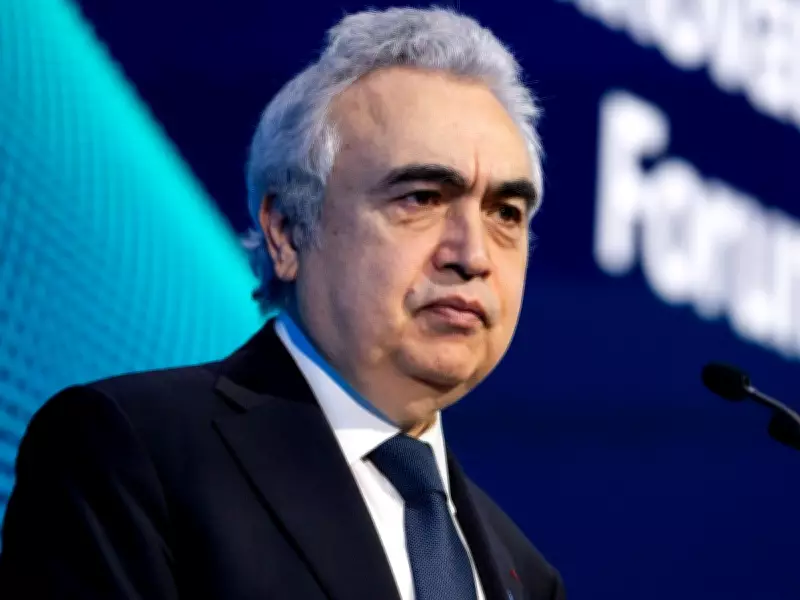
The ongoing war with Iran has triggered a fuel supply disruption that already exceeds the combined severity of three major historical energy crises, according to Fatih Birol, executive director of the International Energy Agency. The agency's assessment indicates this represents the most significant energy market disruption in modern history.
Developing Nations Face Disproportionate Economic Burden
Birol emphasized that developing countries will bear the brunt of this crisis, suffering from dramatically higher oil and gas prices, increased food costs, and accelerated inflation rates. The Guardian reports these nations lack the economic resilience to absorb such shocks effectively.
"The countries most at risk are developing nations," stated Birol, highlighting the unequal distribution of economic pain. "They would suffer more from higher oil and gas prices, higher food prices and general acceleration of inflation."

Quantifying the Unprecedented Supply Disruption
The scale of the current crisis becomes clear when comparing historical data:
- The 1973 and 1979 oil crises combined resulted in approximately five million barrels of oil lost daily
- Russia's 2022 invasion of Ukraine removed about 75 billion cubic metres of natural gas from global markets
- The Iran war has already caused the loss of 11 million barrels of oil per day plus about 140 billion cubic metres of gas
Birol noted that at least 40 energy assets in the Gulf region have sustained severe damage, meaning energy supply won't immediately recover even if hostilities cease.
Strait of Hormuz Closure Creates Critical Bottleneck
Reuters reports that Iran's closure of the Strait of Hormuz has forced the shutdown of approximately 12 million barrels per day from the Middle East, representing about 12 percent of global supply. This strategic chokepoint disruption has driven prices to record levels, with European and Asian refiners paying $150 per barrel for some crude grades.
Global Economic Growth Prospects Diminished
International Monetary Fund Managing Director Kristalina Georgieva initially anticipated modest global growth improvements for 2026 and 2027. However, she now warns the conflict will likely result in higher inflation and slower economic expansion worldwide.
Developed nations will also experience significant impacts, though their greater economic diversification provides some buffer against the most severe consequences.
Geopolitical Tensions Escalate as Deadline Passes
U.S. President Donald Trump has issued stark warnings about the situation, stating on his Truth Social platform that "a whole civilization will die tonight, never to be brought back again." He previously set a Tuesday 8 p.m. ET deadline for Iran to agree to a deal with Washington or face attacks on civilian infrastructure including power plants.
Trump emphasized that reopening the Strait of Hormuz should be a fundamental component of any ceasefire agreement, highlighting the critical importance of this maritime passage to global energy security.