Oil Prices Experience Modest Gains Amid Geopolitical Uncertainty
Global oil markets witnessed a slight upward movement during choppy trading sessions as geopolitical developments in the Middle East captured investor attention. The price increase comes amid reports that the United States and Iran have received a proposed framework for a ceasefire agreement, potentially signaling a shift in regional tensions that have long influenced energy markets.
Ceasefire Proposal Emerges Amid Ongoing Conflict
According to recent diplomatic developments, both American and Iranian officials are now examining a detailed ceasefire proposal that could pave the way for reduced hostilities in the region. This framework arrives at a critical juncture, as the protracted Middle East conflict has significantly impacted global energy supplies and transportation routes, particularly through strategic waterways like the Strait of Hormuz.
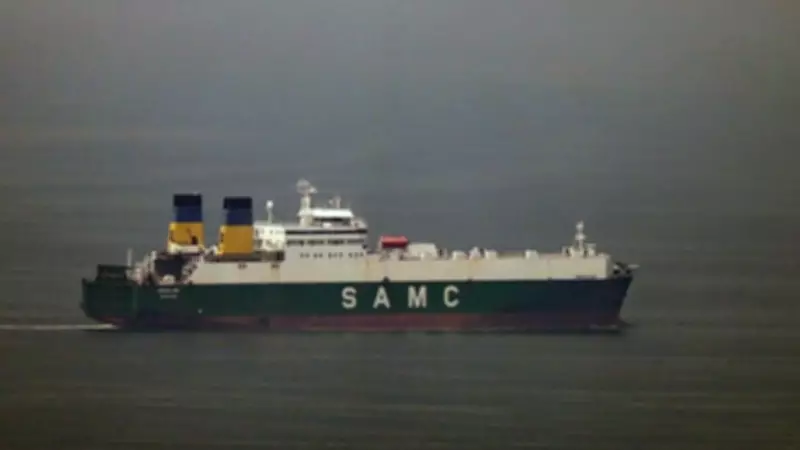
The Arabian Gulf region, through which approximately one-fifth of the world's oil passes, remains a focal point for market observers. Recent imagery from the United Arab Emirates shows cargo ships continuing their transit through these vital shipping lanes, underscoring the ongoing importance of Middle Eastern energy exports to global markets.

Market Volatility Reflects Geopolitical Tensions
Energy analysts note that the modest oil price increase occurred within a context of significant market volatility, with traders carefully monitoring diplomatic developments while assessing supply chain implications. The choppy trading patterns observed in recent sessions reflect the uncertainty surrounding both the ceasefire proposal's potential implementation and its broader impact on regional stability.
The Middle East conflict has already produced tangible effects on transportation and logistics sectors. Canadian airline WestJet recently announced the implementation of fuel surcharges and flight reductions, citing the ongoing impact of Middle Eastern hostilities on operational costs. This move highlights how geopolitical tensions in energy-producing regions can ripple through global transportation networks, affecting both commercial operations and consumer pricing.
Broader Economic Implications
The intersection of energy markets and geopolitical developments creates complex challenges for policymakers and businesses alike. As ceasefire discussions progress, market participants will be closely watching for any signs of implementation that could stabilize oil production and transportation routes in the region.
Meanwhile, the broader economic landscape continues to feel the effects of international tensions. Recent reports indicate that Canada's services economy has experienced contraction, with some analysts attributing delayed client decision-making to ongoing global uncertainties, including those stemming from Middle Eastern conflicts.
The coming weeks will prove crucial for determining whether the ceasefire framework gains traction and how energy markets respond to potential diplomatic breakthroughs. Market observers emphasize that any sustained reduction in Middle Eastern tensions could have significant implications for global oil prices, transportation costs, and broader economic stability.