Oil Prices Skyrocket Above $100 Amid Escalating Middle East Conflict
Global oil markets experienced unprecedented volatility as Brent crude prices surged dramatically above US$100 per barrel, driven by escalating military conflict in Iran and subsequent production cuts by major Middle Eastern producers. The benchmark Brent crude traded approximately 11% higher around US$103 a barrel, positioning itself for the most significant daily gain in dollar terms since futures began trading in 1988.
Strait of Hormuz Closure Chokes Global Supply
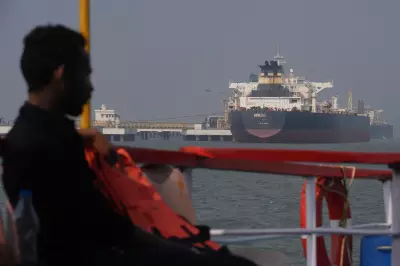
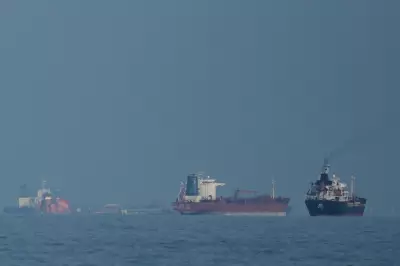
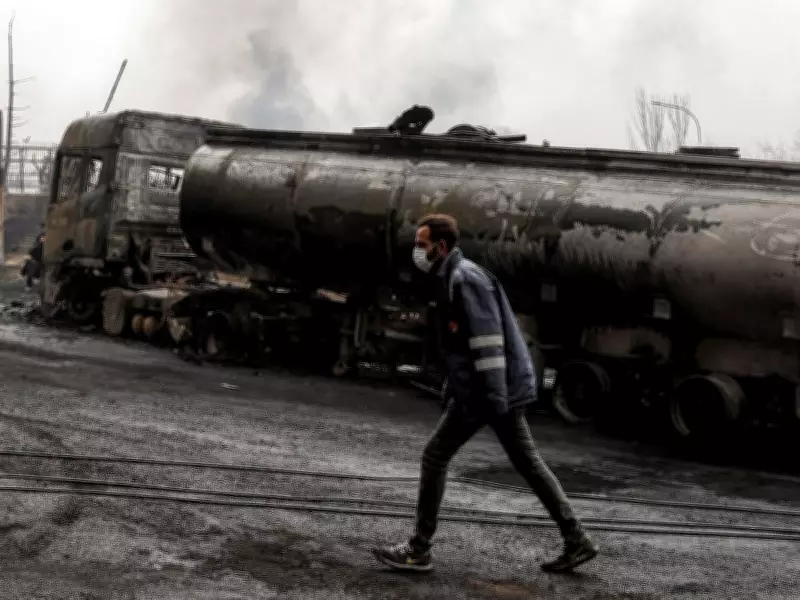
The dramatic price spike follows the complete standstill of tanker traffic through the vital Strait of Hormuz, a narrow waterway that typically handles approximately one-fifth of the world's oil supply. This critical shipping lane's closure, combined with targeted attacks on key energy infrastructure across the region, has created severe supply constraints that are reverberating through global markets.
"The longer the Strait stays closed, the more production gets shut-in, requiring substantially higher prices to curb demand," explained Giovanni Staunovo, a commodity analyst at UBS Group AG, highlighting the compounding effect of transportation disruptions on production capacity.

Major Producers Implement Emergency Output Reductions
Several key oil-producing nations have initiated emergency production cuts in response to the escalating crisis. Kuwait and the United Arab Emirates began reducing output over the weekend as storage facilities rapidly filled due to the Hormuz closure, while Iraq commenced production shutdowns earlier last week. At its peak during Monday's trading, the global benchmark Brent crude spiked as much as 29% before settling at elevated levels.
The conflict shows no signs of abating following U.S. and Israeli strikes on Iran more than a week ago, with the geopolitical fallout stoking fears of a renewed global inflation crisis. The situation has drawn more than a dozen countries into the fray, creating complex international tensions that continue to pressure energy markets.
Global Response and Market Stabilization Efforts
Prices eased slightly from nearly US$120 earlier in the day as the world's largest economies considered a coordinated release of emergency oil stockpiles. Group of Seven finance ministers are scheduled to discuss this potential market stabilization measure later on Monday, representing a significant international response to the supply crisis.
In a rare market development, Saudi Aramco offered barrels for immediate delivery through a series of unusual tenders, some originating from a supertanker near Taiwan. The company typically only supplies oil under long-term contracts, making this move particularly noteworthy as producers implement unconventional strategies to maintain market supply.
Political Developments and Leadership Changes
The geopolitical landscape continues to evolve rapidly, with Iran naming the son of the late Ayatollah Ali Khamenei as its new supreme leader according to the semi-official Fars news agency. The Islamic Revolutionary Guard Corps has pledged obedience to the new leadership amid the ongoing conflict.
Meanwhile, the U.S. State Department has ordered American employees and diplomats in Saudi Arabia to leave the country, citing significant safety risks. This evacuation order underscores the expanding regional tensions and potential for further escalation.
Former U.S. President Donald Trump commented on the oil price spike through a late-night post on Truth Social, stating that short-term price movements represent a "very small price to pay" for the United States, the world, and peace. He added that prices would fall rapidly "when the destruction of the Iran nuclear threat is over."
Shipping Industry Response and Market Implications
The shipping industry remains cautious despite some limited movement through the troubled waters. One oil tanker appears to have transited the Strait of Hormuz with its satellite signal switched off in recent days, representing one of the first major vessels to attempt the crossing. However, the overwhelming majority of shipowners continue to avoid the region entirely due to security concerns.

This unprecedented combination of production cuts, transportation disruptions, and geopolitical instability has created perfect storm conditions in global oil markets, with analysts warning that sustained high prices could trigger broader economic consequences including inflationary pressures and potential demand destruction across multiple sectors.