Strait of Hormuz Tensions Escalate Amid Widening Iran Conflict
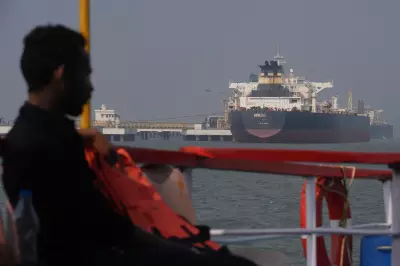
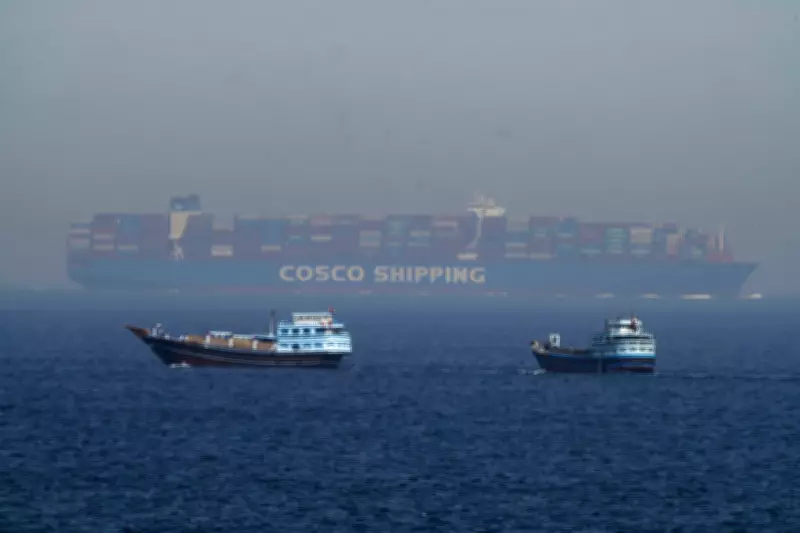
As the conflict involving Iran continues to expand, international focus has intensified on the Strait of Hormuz, a narrow maritime passage that serves as a vital artery for global oil shipments. This strategic waterway, located between the Persian Gulf and the Gulf of Oman, is under heightened scrutiny due to its potential to become a flashpoint in the ongoing regional hostilities.
Geopolitical Significance of the Strait
The Strait of Hormuz is arguably one of the world's most critical chokepoints for energy transportation. Approximately one-fifth of the global oil supply passes through this narrow channel daily, making it indispensable to international energy markets. Any disruption here could trigger significant volatility in oil prices and supply chains, affecting economies worldwide.
Rob Thummel, a senior portfolio manager and managing director at Tortoise Capital, recently highlighted the outlook for oil in light of these developments. In an interview with BNN Bloomberg, Thummel emphasized that the widening conflict in Iran introduces substantial uncertainty into energy markets, with potential ripple effects on investment strategies and economic forecasts.

Potential Impacts on Global Markets
The escalating tensions raise concerns about possible disruptions to maritime traffic through the Strait. Historical precedents, such as past conflicts in the region, have shown that even minor incidents can lead to spikes in oil prices and increased insurance costs for shipping. Analysts warn that a full-scale closure or significant hindrance of the Strait could have catastrophic consequences for global energy security.
Furthermore, the situation is compounded by broader geopolitical dynamics. Russia has stated that it has seen no evidence of Iran developing nuclear weapons, adding another layer of complexity to international relations. Meanwhile, events like the reported hacking of Iranian apps and websites following U.S.-Israeli strikes underscore the cyber dimensions of modern conflicts, which can also impact critical infrastructure like shipping lanes.
Regional and Global Repercussions
The conflict's effects are not confined to the Middle East. For instance, in Canada, discussions have emerged about how the Iran situation might influence gas prices in cities like Winnipeg. This connection highlights the interconnectedness of global markets, where geopolitical events in one region can swiftly affect consumers and businesses thousands of miles away.
Additionally, the human dimension of the conflict is evident, with Iranian Canadians in Regina reflecting on the future as the Middle East conflict intensifies. Such personal stories remind us of the far-reaching social and emotional impacts of geopolitical strife.
Looking Ahead
As the situation evolves, stakeholders from governments to energy companies are closely monitoring developments in the Strait of Hormuz. Strategies to mitigate risks may include diversifying energy sources, enhancing naval patrols in the area, and diplomatic efforts to de-escalate tensions. The outcome could shape not only regional stability but also global economic trends in the coming months.
In summary, the Strait of Hormuz stands at a precarious juncture amid the widening Iran conflict. Its role as a linchpin in global oil transportation makes it a focal point for geopolitical risk, with potential implications for energy prices, market stability, and international security. Continued vigilance and proactive measures will be essential to navigate these turbulent waters.