Venezuelan Oil Professionals in Canada Face Dim Prospects for Homecoming
Venezuelan expatriates who played a pivotal role in advancing Canada's oil sands industry are now confronting the harsh reality that a return to their native country appears increasingly unlikely. These skilled workers, many of whom fled Venezuela's deepening economic and political crises, have become integral to the operational and technological development of Alberta's energy sector. Their expertise, honed in Venezuela's state-owned PDVSA oil company, has been leveraged to enhance extraction techniques and improve efficiency in the challenging oil sands environment.
Political Reforms Fail to Inspire Confidence
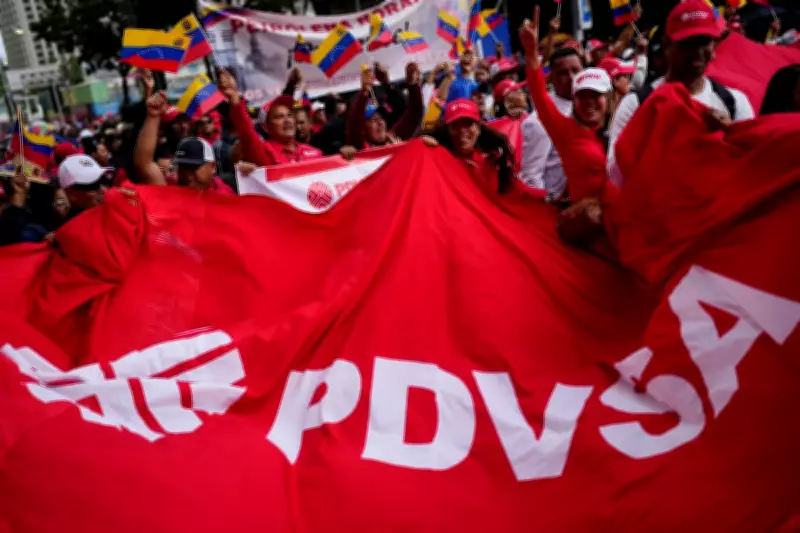
Recent legislative efforts in Venezuela, such as the oil reform bill proposed by acting President Delcy Rodriguez aimed at loosening state control and attracting private investment, have done little to assuage concerns among the diaspora. The bill, which sparked rallies by PDVSA workers in Caracas in late January 2026, is viewed by many expats as insufficient to address the systemic issues plaguing Venezuela's oil industry. Years of mismanagement, corruption, and underinvestment have left the sector in disarray, with production levels plummeting from historic highs.
For these professionals, the memories of hyperinflation, shortages of basic necessities, and political repression remain fresh. The proposed reforms, while signaling a potential shift, are seen as too little, too late to rebuild the trust necessary for a mass return. Many expats express skepticism about the government's ability to implement meaningful change, citing a long history of broken promises and failed initiatives.

Integration into Canadian Society and Economy
The Venezuelan community in Canada, particularly in energy hubs like Calgary and Fort McMurray, has established deep roots over the past decade. These individuals have not only contributed to the oil sands but have also enriched the cultural and social fabric of their adopted communities. Their children attend Canadian schools, and many have obtained permanent residency or citizenship, further cementing their ties to the country.
Economically, the stability offered by Canada's energy sector stands in stark contrast to the volatility back home. Despite global shifts towards renewable energy, the oil sands continue to provide reliable employment and competitive salaries, making the prospect of returning to Venezuela's uncertain job market unappealing. Additionally, the ongoing recession watch in Canada, as highlighted by recent economic analyses, underscores the relative security these expats feel compared to the dire economic conditions in Venezuela.
Broader Implications for Global Energy Migration
This situation reflects a larger trend of skilled migration from politically unstable regions to more secure economies. The brain drain from Venezuela has deprived the country of critical expertise needed to revive its oil industry, while Canada has benefited from an influx of talent that has bolstered its competitive edge in the global energy market. The inability of these expats to return home not only impacts Venezuela's recovery prospects but also highlights the long-term consequences of political and economic turmoil on human capital.
As the world grapples with energy transitions and geopolitical shifts, the stories of these Venezuelan professionals serve as a poignant reminder of the personal and professional sacrifices made in search of stability and opportunity. Their continued presence in Canada is a testament to the enduring challenges facing their homeland and the complex dynamics of international labor mobility in the energy sector.