Vitol Executive Forecasts LNG Market Stress from Rising Supply This Decade
A top executive from Vitol, the global energy and commodities trading giant, has issued a warning that higher liquefied natural gas (LNG) supply throughout this decade is poised to bring significant stress to the market. This forecast comes as Canada navigates its own energy landscape, with developments in LNG projects and broader economic indicators under scrutiny.
Market Dynamics and Supply Pressures
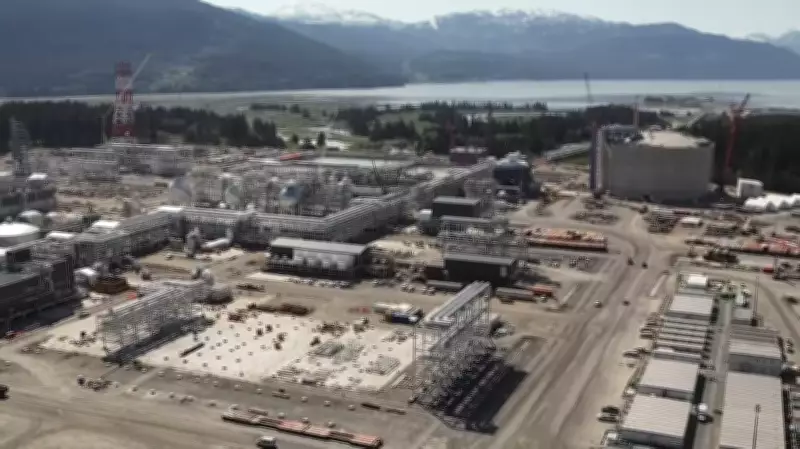
The Vitol representative highlighted that the anticipated surge in LNG production, driven by new projects and expansions worldwide, could lead to oversupply conditions. This influx is expected to test market resilience, potentially affecting pricing and investment strategies in the sector. For Canada, a country with growing LNG ambitions, such as the LNG Canada project, these global trends could influence export opportunities and domestic energy policies.
The executive's comments underscore a cautious outlook for the LNG industry, emphasizing that while demand remains robust in regions like Asia and Europe, the supply side's rapid growth may outpace consumption. This imbalance could result in competitive pressures, requiring stakeholders to adapt to a more volatile trading environment.

Context Within Canada's Energy and Economic Landscape
This warning aligns with broader discussions in Canada's business and energy circles. For instance, recent reports have noted Suncor achieving record production in the fourth quarter, albeit with adjusted profits nudging downward, reflecting the complex interplay of market forces. Additionally, economists have raised concerns about Canada's economy being "on life support" and entering a recession watch, suggesting that energy sectors like LNG could face headwinds beyond supply issues.
In related developments, the automotive sector in Windsor-Essex is at a crossroads amid shifts in vehicle production, highlighting how global energy trends intersect with local industries. Meanwhile, environmental and regulatory factors, such as discussions on water main responses in Calgary or road-salt use in Edmonton, add layers to Canada's energy narrative.
Implications for Stakeholders and Future Outlook
The Vitol executive's insights point to several key implications:
- Investors and companies in the LNG space may need to brace for tighter margins and increased competition as supply grows.
- Policy makers in Canada could face decisions on supporting LNG projects while balancing economic and environmental considerations.
- Consumers and businesses reliant on energy may see ripple effects in pricing and availability, though natural gas often remains a transitional fuel in climate strategies.
Looking ahead, monitoring supply chain developments and international demand patterns will be crucial. As Canada continues to build its LNG infrastructure, such as through projects like LNG Canada, adapting to these global market stresses could shape the country's energy export future and economic resilience in the coming years.