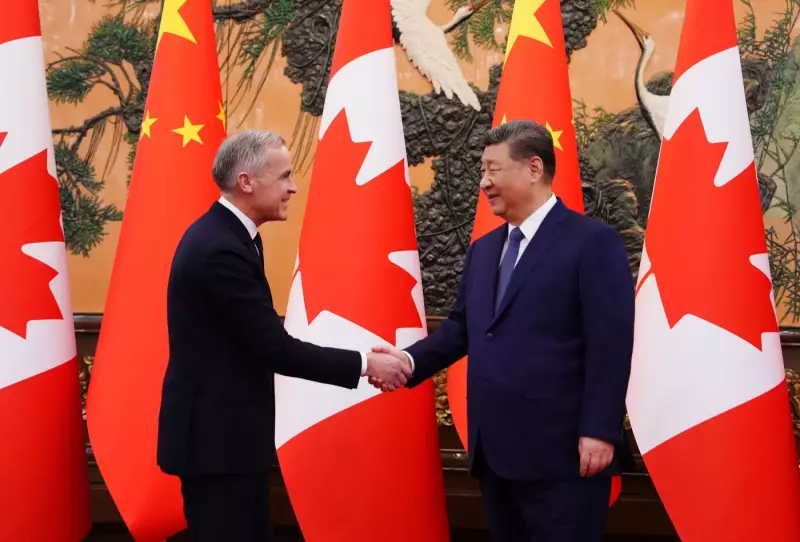
Prime Minister Mark Carney has characterized a recent electric vehicle agreement with China as a significant "opportunity" for Ontario and its automotive sector, striking a notably different tone from critics within his own government. The comments were part of a broader panel discussion analyzing the strategic partnership between Canada and China.
A Strategic Partnership Under Scrutiny
The Canada-China Power Play panel, which aired on January 18, 2026, delved into the multifaceted relationship between the two nations. The discussion centered on Prime Minister Carney's recent deal with China, weighing its potential benefits for the electric vehicle (EV) industry against other trade factors, such as the ongoing impacts of tariffs on Canadian canola exports. The analysis highlighted the complex balancing act in international trade, where gains in one sector can be offset by challenges in another.
Internal Criticism and External Pressures
Carney's optimistic framing of the deal stands in direct contrast to the view of Ontario's Trade Minister, who has publicly labeled the agreement a "horrific mistake." This internal disagreement underscores the political sensitivity surrounding economic engagements with China. Furthermore, the Prime Minister expressed concern about U.S. "escalation" on Greenland following recent tariff announcements, indicating that the deal is situated within a tense global trade environment. The panel explored how these domestic and international pressures shape Canada's economic diplomacy.

Broader Implications for the Auto Industry
Positioning the agreement as an opportunity suggests the federal government sees a strategic opening for Ontario's auto sector to integrate into or benefit from Chinese advancements in electric vehicle technology and manufacturing. This could involve investments, supply chain partnerships, or technology sharing aimed at bolstering Canada's competitive position in the rapidly evolving global EV market. The move is a calculated bet that engaging with a world leader in EV production will yield long-term benefits for domestic industry and jobs, despite the political risks.
The panel's examination reveals that the Carney government is attempting to navigate a precarious path: fostering economic growth through international partnerships while managing domestic dissent and a volatile geopolitical landscape. The success of this strategy for Ontario's auto workers and manufacturers remains a central question for Canada's economic future.