European Leaders Urge Caution Amid Renewed Trade Tensions
European officials are advocating for a measured response to a recent economic threat from former U.S. President Donald Trump, emphasizing a desire to prevent a damaging trade conflict. The comments come in reaction to Trump's stated intention to impose significant tariffs on Greenland, a move seen as part of broader efforts to pressure Denmark into selling the autonomous territory.
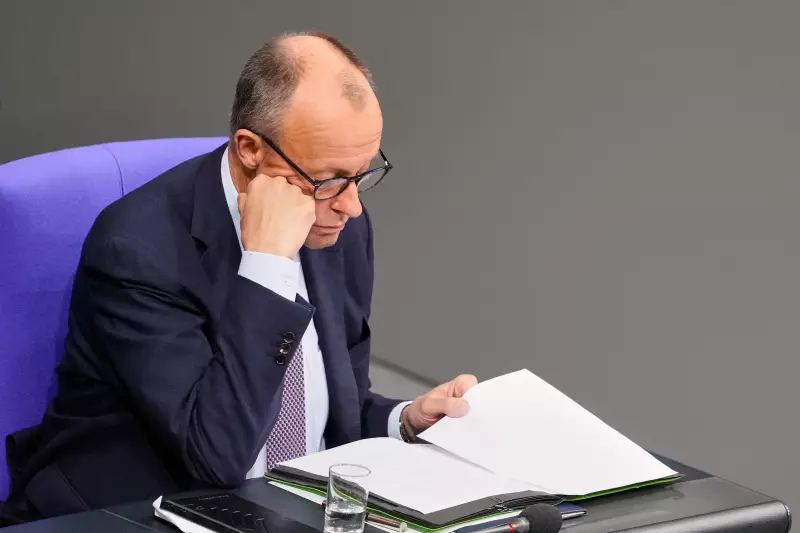
German Chancellor Friedrich Merz has been a leading voice in the European response. Speaking on the matter, he articulated the continent's collective stance of seeking to 'avoid escalation' in the unfolding situation. This position underscores the delicate balance European nations are trying to maintain between defending their economic interests and preventing a full-blown transatlantic trade war.
The Core of the Dispute: Greenland and Tariffs
The tension stems from the long-standing interest of the Trump administration in acquiring Greenland for its strategic and resource value. With Trump's return to the political forefront, this ambition has resurfaced, accompanied by more aggressive tactics. The proposed tariffs represent a clear economic lever being used to sway negotiations, a strategy that has put European capitals on alert.

The threat is not occurring in a vacuum. It aligns with a wider 'Buy Canadian' movement that has gained traction since the start of Trump's second term, reflecting growing global unease with unilateral American trade actions. This movement has found sympathy not only in Canada but also among some European businesses and policymakers wary of similar pressures.
International Echoes and Broader Concerns
The European caution is echoed by other global figures. Former Bank of Canada and Bank of England Governor Mark Carney has publicly expressed concern about the U.S. escalating its efforts regarding Greenland. Similarly, U.K. Prime Minister Keir Starmer has weighed in, calling the prospect of a trade war 'completely wrong' and asserting that such a conflict is in no one's interest.
These statements, made against the backdrop of Carney's travel to the World Economic Forum in Switzerland, highlight how the issue is resonating at the highest levels of international diplomacy and finance. The concern is that punitive tariffs on Greenland could destabilize Arctic trade dynamics and set a dangerous precedent for resolving geopolitical disputes through economic coercion.
As the situation develops, the European Union, led by voices like Chancellor Merz, appears committed to a diplomatic path. The goal remains clear: to de-escalate tensions and protect the intricate web of transatlantic trade relationships from what they perceive as a provocative and destabilizing threat.