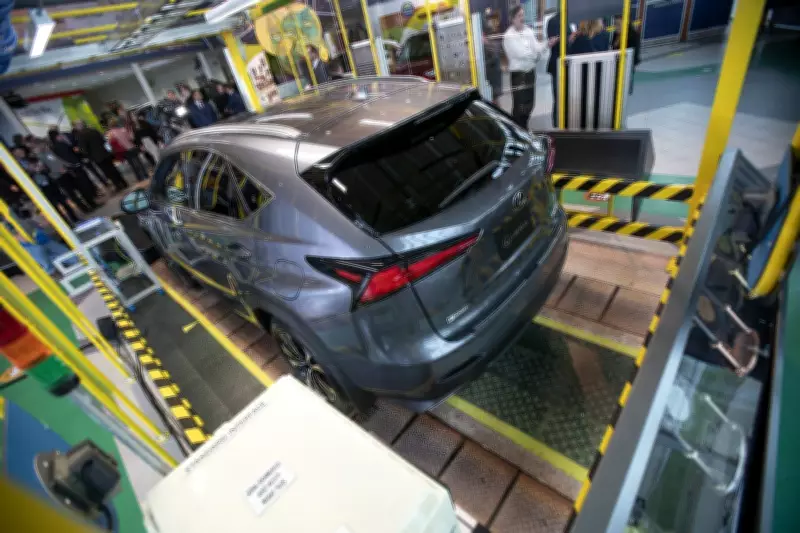
The U.S. International Trade Commission (USITC) has officially launched a significant review of the automotive rules of origin established under the Canada-United States-Mexico Agreement (CUSMA). This move marks a critical step in assessing the effectiveness and impact of these trade provisions on the North American automotive industry.
Scope and Implications of the Review
The review will thoroughly examine how the current rules of origin are functioning within the framework of CUSMA, which replaced NAFTA in 2020. These rules determine the percentage of a vehicle's components that must be manufactured within North America to qualify for duty-free treatment. The USITC's investigation aims to evaluate whether these regulations are meeting their intended goals of boosting regional production and supporting automotive jobs across the continent.
Potential Impacts on Auto Manufacturing
This review could have far-reaching consequences for automakers and suppliers operating in Canada, the United States, and Mexico. Industry stakeholders are closely monitoring the process, as any proposed changes to the rules might necessitate adjustments in supply chains, production strategies, and investment decisions. The automotive sector is a cornerstone of North American trade, with billions of dollars in cross-border commerce annually.

Background and Context
The rules of origin were a central point of negotiation during the CUSMA talks, with the United States pushing for stricter requirements to encourage domestic manufacturing. Under the current agreement, vehicles must have 75% of their components made in North America to avoid tariffs, up from 62.5% under NAFTA. Additionally, a new labor value content rule requires that 40-45% of auto parts be produced by workers earning at least $16 per hour.
Next Steps and Timeline
The USITC will conduct a comprehensive analysis, gathering data from industry representatives, government agencies, and trade experts. A detailed report with findings and potential recommendations is expected to be submitted to Congress and the administration upon completion. This review aligns with the agreement's provision for periodic assessments to ensure the trade pact continues to serve the economic interests of all three member countries effectively.
As the review progresses, automakers and policymakers will be watching closely for any indications of proposed modifications that could reshape the competitive landscape of North American automotive production for years to come.