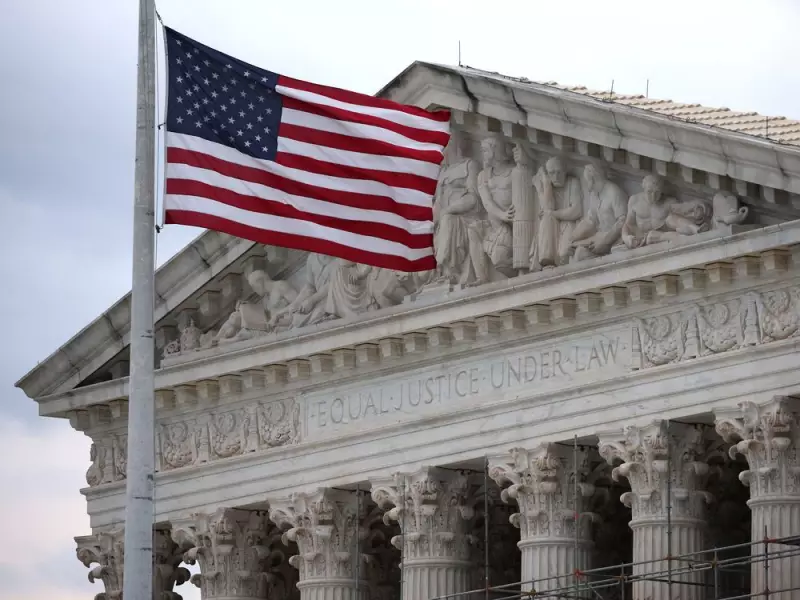
The United States Supreme Court has announced it will release its next set of opinions on Tuesday, January 16, 2026, placing a highly anticipated ruling on former President Donald Trump's signature tariffs squarely in the spotlight for a global audience.
A Pivotal Decision on the Horizon
As per its standard practice, the court did not specify which decisions are ready for release. It only confirmed that rulings are possible when the justices convene at 10:00 a.m. Washington time. The legal and business communities worldwide are on high alert for a verdict on the controversial tariffs, a cornerstone of Trump's economic platform.
If the tariff ruling is not delivered next week, a decision will likely be delayed for at least another month. The justices typically issue opinions in argued cases during courtroom sessions, and Wednesday is scheduled to be the last session until February 20.

High Stakes for Trump's Agenda and Billions in Refunds
A ruling against Trump would deliver a massive blow, undercutting the centrepiece of his economic agenda and marking his most significant legal defeat since returning to the White House. The case centres on his April 2 "Liberation Day" tariffs, which imposed levies ranging from 10 per cent to 50 per cent on most imports. Also under scrutiny are separate duties levied on Canada, Mexico, and China, which the administration justified as necessary to address fentanyl trafficking.
During oral arguments held on November 5, the court's justices expressed clear skepticism. They questioned whether Trump possessed the legal authority to impose such sweeping tariffs under a 1977 law that grants the president special powers exclusively during declared national emergencies.
The financial implications are enormous. A decision unfavourable to Trump could pave the way for more than US$130 billion in refunds to affected companies and trading partners who paid the duties.
Global Implications and the Path Forward
This pending Supreme Court decision carries profound implications for international trade relations and U.S. economic policy. The tariffs have been a persistent source of tension with key allies and trading partners, including Canada. A ruling that limits presidential power in this domain would reshape the legal landscape for future trade actions and could trigger a complex process for reclaiming billions in paid duties.
All eyes will now be on the Supreme Court this Tuesday as it prepares to issue opinions that could redefine presidential authority on trade and have a multi-billion-dollar impact on the global economy.