British Columbia's Mining Sector Eyes Growth with Streamlined Permit Process
British Columbia's mining industry is expressing renewed optimism following Premier David Eby's recent pledge to accelerate application processes for mining projects across the province. This commitment comes at a crucial time for the sector, which has long advocated for more efficient regulatory pathways to unlock economic potential while maintaining rigorous environmental and safety standards.
Premier's Promise of Expedited Reviews
During a recent address to industry stakeholders, Premier Eby outlined his government's intention to implement measures that would significantly reduce the time required for mining permit approvals. The proposed changes aim to create a more predictable and transparent regulatory framework, addressing one of the most persistent challenges facing resource development in British Columbia.
"We recognize that timely decisions are essential for both industry confidence and responsible resource development," Premier Eby stated. "Our goal is to establish a system that balances environmental protection with economic opportunity, ensuring British Columbia remains competitive in the global mining sector."

Industry Response and Economic Implications
Mining executives and industry associations have welcomed the premier's announcement with cautious optimism. The sector contributes significantly to British Columbia's economy, providing thousands of jobs and generating substantial revenue for provincial coffers. However, lengthy approval processes have historically delayed projects and increased development costs.
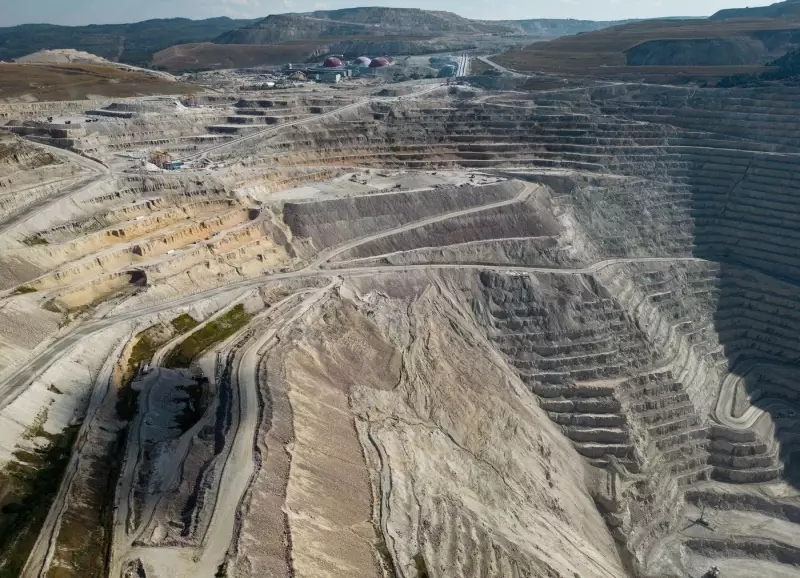
Teck Resources, which operates the Highland Valley Copper Mine near Logan Lake, stands to benefit from these proposed changes. As one of Canada's largest mining companies with extensive operations in British Columbia, Teck has consistently emphasized the importance of regulatory efficiency for maintaining competitiveness.
The industry's hopeful outlook is tempered by recognition that any acceleration of permit processes must not compromise environmental safeguards or community consultation requirements. Mining representatives emphasize their commitment to sustainable practices and responsible development that benefits all British Columbians.
Broader Context and Implementation Challenges
This policy direction aligns with broader efforts to strengthen British Columbia's natural resource sectors while addressing climate change commitments. The provincial government faces the complex task of designing implementation mechanisms that satisfy multiple stakeholders, including:
- Indigenous communities with rights and title considerations
- Environmental organizations concerned about ecosystem protection
- Local municipalities seeking economic development opportunities
- Industry representatives requiring regulatory certainty
Specific details regarding the timeline for implementing these changes and the specific mechanisms for accelerating applications remain under development. Industry observers note that successful implementation will require adequate resourcing of regulatory agencies and clear communication of new procedures to all stakeholders.
The premier's announcement represents a potential turning point for British Columbia's mining industry, which has navigated fluctuating commodity prices, evolving environmental regulations, and changing market demands in recent years. As the province moves forward with these proposed reforms, all eyes will be on how effectively they translate from political promise to practical improvement in the permit application process.