The British Columbia government is pursuing the forfeiture of more than $12,000 in cash seized from a Kelowna woman, alleging the funds were generated through the trafficking of cannabis and psilocybin, commonly known as magic mushrooms. The civil forfeiture director filed a lawsuit in B.C. Supreme Court, arguing the money constitutes proceeds of crime and, if returned, would likely be used for further unlawful activity.
Discovery During Break-in Investigation
According to the lawsuit, police first encountered the cash on Jan. 1 while responding to a break-and-enter call at a warehouse in Kelowna. The following day, officers executed a search warrant at the same location and seized $12,375.50 in cash. The money was not bundled in the manner typical of bank-issued currency, the court document states.
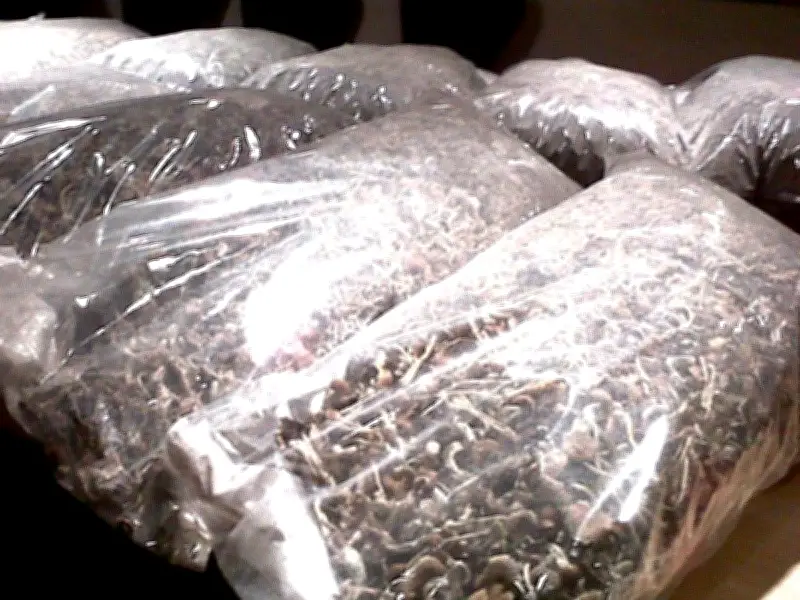
Alongside the cash, police discovered a significant quantity of controlled substances: 5,270 grams of psilocybin, some packaged for sale, and 154 bags of psilocybin edibles. Officers also found 236 bags of cannabis edibles, 97 vials of cannabis concentrate, 55 rolled cannabis cigarettes, and 716 cartons of unstamped tobacco products.

Legal Challenge by Owner
The money was initially seized through an administrative process under B.C.'s forfeiture laws. However, the woman identified as Penny Marie Walch contested the seizure, forcing the matter to be adjudicated in court. The forfeiture director alleges that Walch obtained the cash through unlawful activities, including possession of drugs for the purpose of trafficking and possession of untaxed tobacco.
“The money is proceeds and an instrument of unlawful activity,” the lawsuit states. It further alleges that releasing the funds would likely enable Walch to engage in future illegal conduct.
Alleged Violations of Multiple Laws
The director claims that five separate laws were breached: two governing the sale of illegal drugs and cannabis, and three related to tobacco regulation. A message left for Walch seeking comment was not immediately returned.
The case highlights B.C.'s use of civil forfeiture to target assets believed to be linked to criminal enterprises, even when criminal charges have not been laid. The burden of proof in such proceedings is lower than in criminal trials, requiring only a balance of probabilities.