Canada's Aging Infrastructure: A Looming Crisis Demands Innovative Solutions
The state of Canada's public infrastructure represents what many experts describe as a ticking time bomb. Across municipalities nationwide, aging systems built during post-war construction booms are reaching the end of their lifespan simultaneously, creating unprecedented financial pressures. With limited revenue sources and stretched budgets, local governments face difficult choices about how to address this mounting challenge.
The Stark Reality of Municipal Infrastructure Deficits
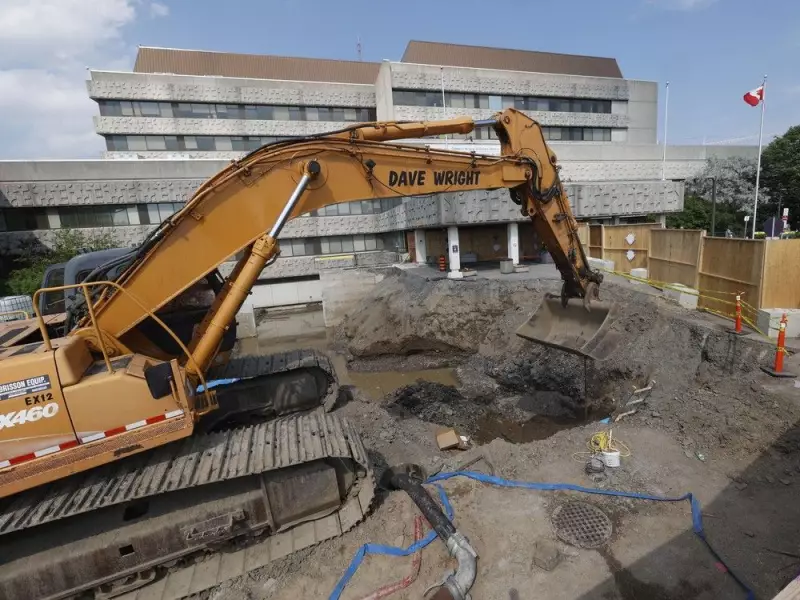
Recent data from Ottawa illustrates the severity of the situation. In just a two-week period earlier this January, the City of Ottawa received 32 separate service requests concerning watermain leaks and breaks. This troubling statistic reflects a broader national pattern of infrastructure deterioration that threatens essential services across Canadian communities.
According to a June 2025 report from Ottawa city staff, the infrastructure funding gap presents an almost incomprehensible challenge. The report projected a staggering $10.8-billion shortfall between anticipated infrastructure needs and allocated funding over the coming decade. This deficit stems from multiple converging factors including aging assets, climate change impacts, escalating construction costs, and constrained municipal revenue streams.

The Municipal Funding Dilemma
Michael Fenn, a former Ontario deputy minister and municipal chief administrator now working as a policy researcher, highlights the fundamental imbalance in infrastructure funding. Municipalities own and manage more than 60 percent of Canada's public infrastructure, yet they receive only about 10 cents of every tax dollar collected annually from Canadians.
"Infrastructure that was built after the Second World War is aging and its life expectancy is limited," Fenn explains. "Since so much of it was constructed during the same period, it will all require replacement simultaneously, creating unprecedented financial pressures for municipalities."
This aging infrastructure collides with already strained municipal budgets, forcing local governments to consider limited options: raising property taxes and user fees, hoping for federal or provincial funding transfers, or allowing infrastructure to continue deteriorating through deferred maintenance.
Tax-Exempt Municipal Bonds: A Potential Solution
Fenn and other policy experts propose an alternative approach that has proven successful in other jurisdictions: tax-exempt municipal bonds, commonly known as "munis." These financial instruments represent a potentially transformative tool for Canadian municipalities struggling with infrastructure funding challenges.
"Infrastructure lasts a long time, therefore it should be paid for over a long period of time," advocates argue, pointing to the fundamental mismatch between infrastructure lifespans and municipal budgeting cycles.
How Municipal Bonds Work in Practice
In the United States, municipal bonds have supported infrastructure development since the 19th century. American residents who purchase these bonds pay no federal tax on interest earned, and typically avoid state and local income taxes as well. This tax-exempt status makes municipal bonds attractive to investors while providing municipalities with access to capital at favorable rates.
Currently, Canadian municipalities face more restrictive borrowing conditions. They are generally permitted to issue long-term debt only for constructing or acquiring long-lived assets like bridges or water treatment facilities. Municipal capital debt is often pooled, allowing a single municipal debenture to fund multiple projects simultaneously.
Under existing Canadian regulations, interest payments from municipal debentures remain taxable unless purchased by tax-exempt entities like pension funds or registered retirement accounts. Many individual investors already hold municipal debentures in their portfolios, often without realizing their municipal investment exposure.
The Potential for Municipal Bonds in Ontario and Beyond
The municipal bond market in Canada represents less than two percent of the size of its American counterpart, according to Fenn's analysis. This represents a significant untapped potential for infrastructure financing reform.

From an investment risk perspective, municipalities represent relatively secure investment opportunities. They operate under strict regulatory frameworks and are legally required to balance their budgets annually, providing investors with reasonable assurance of repayment.
As Canada's infrastructure crisis deepens, innovative financing mechanisms like tax-exempt municipal bonds warrant serious consideration. With proper regulatory frameworks and investor protections, these instruments could help bridge the growing gap between infrastructure needs and available funding, ensuring that essential public assets continue serving Canadian communities for generations to come.