Vancouver's Downtown Eastside Needs Stability, Not Just Another Store
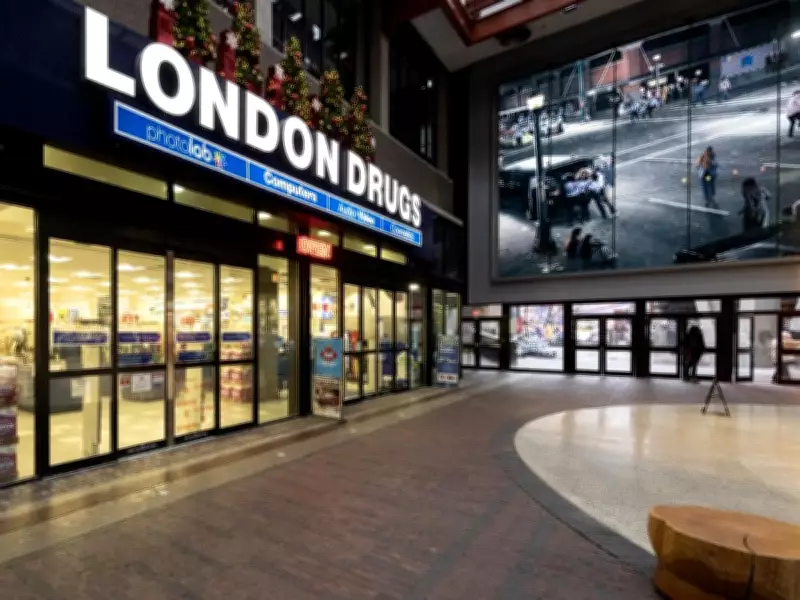
When London Drugs closed its Woodward's Building location in Vancouver's Downtown Eastside, many residents viewed it as the loss of a convenient shopping option. However, for those who work in the area, like Sarah Beley of the Working Gear Clothing Society, the closure confirmed a deeper, long-standing issue: the neighborhood doesn't need another store—it needs stability.
The Real Problem: An Unstable Environment
Beley, who works at a non-profit providing free clothing and job-readiness support, emphasizes that simply adding a new retailer to replace London Drugs is not revitalization but a recipe for failure. In her building alone, six tenants have moved out over five years, with no replacements. These include a coffee shop, a dollar store, an art gallery, a travel office, independent artists, and even a public defenders office.
When everyday retail, discount stores, creative businesses, and essential services all struggle under the same conditions, the issue isn't the tenant—it's the environment. Beley points out that this pattern highlights a systemic stability problem rather than a retail-specific one.

Safety Concerns and Daily Challenges
The environment in the Downtown Eastside is marked by significant safety issues. Staff and volunteers regularly witness overdoses, deaths, and assaults. Beley herself has been accidentally maced twice, and volunteers have faced random assaults while walking to and from the office. Violent attacks and overdoses that end with the coroner are common occurrences.
Even when individuals aren't direct victims, the constant exposure to such incidents takes a toll on the mental and emotional well-being of those working in the area daily. This reality makes it difficult for businesses to operate safely and predictably, which are essential conditions for retail success.
Why London Drugs Closed and What It Means
London Drugs didn't close because the community lacked a need for its services. The closure resulted from theft, safety concerns, and operating losses that made the location financially unsustainable. If a large chain with substantial scale and security budgets couldn't survive, how can a small independent shop be expected to thrive?
Some have suggested dollar stores as a practical replacement for the vacant space. However, Beley argues this is neither realistic nor responsible. Dollar stores often operate on razor-thin margins and depend on minimal loss to survive. In an environment like the Downtown Eastside, even small increases in theft or security costs can wipe out profits entirely.
There's an irony in proposing dollar stores as a solution, Beley notes, as they are frequently criticized for low wages, understaffing, and higher per-unit prices in low-income areas. Framing them as a revitalization tool ignores their fragility in such challenging conditions.
A Call for Honest Solutions
The idea that new retail will "revitalize" the neighborhood doesn't reflect the actual experiences of businesses in the Downtown Eastside. This approach might work in areas where stores can operate safely and predictably, but those conditions are absent here.
Instead of focusing solely on replacing London Drugs with another store, Beley urges a broader conversation about creating stability. This includes addressing safety concerns, supporting existing businesses, and developing strategies that go beyond mere retail additions to foster a sustainable community environment.
Ultimately, the lesson from London Drugs' closure is clear: without tackling the underlying stability issues, any new business in the Downtown Eastside is set up to fail, perpetuating a cycle of loss and disappointment for residents and workers alike.