Ontario's Plan to Pull Crown Royal from Shelves Sparks Interprovincial Trade Dispute
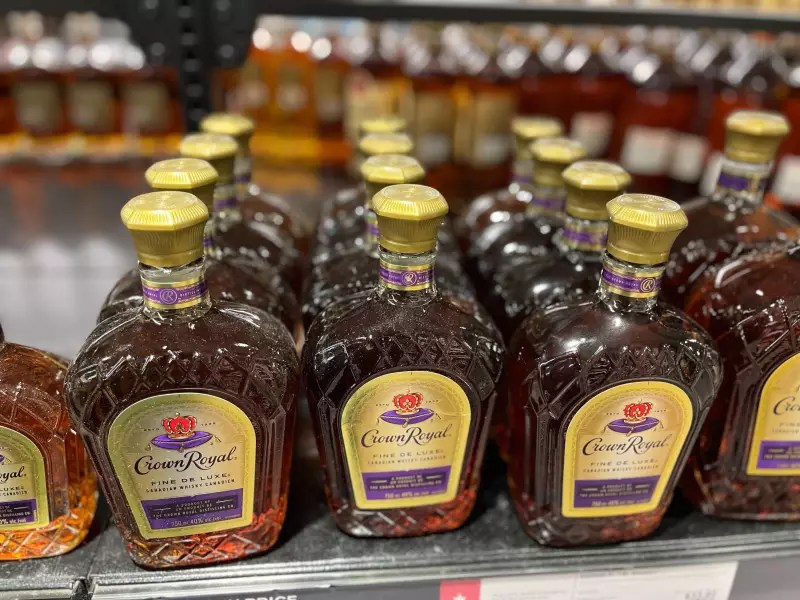
In a move that has ignited tensions between provinces, Ontario Premier Doug Ford has announced intentions to remove Crown Royal whisky from Liquor Control Board of Ontario (LCBO) shelves. This decision, however, is facing significant pushback from Manitoba, where the popular whisky is distilled, raising concerns about potential trade repercussions and strained interprovincial relations.
Manitoba's Concerns Over Economic Impact and Trade Relations
Manitoba Member of Parliament James Bezan has voiced strong objections to Ontario's proposed action, warning that it could lead to serious trade issues between the two provinces. Crown Royal, a flagship Canadian whisky brand, is produced at the Gimli distillery in Manitoba, contributing substantially to the local economy and employing numerous workers in the region.
Bezan emphasized that arbitrary removal of the product from Ontario's government-controlled liquor stores could violate principles of free trade within Canada and set a dangerous precedent for other interprovincial commerce. The potential economic impact on Manitoba's distilling industry has become a central point of contention in this developing provincial dispute.

Quebec's Potential Involvement in the Spirits Conflict
While the immediate conflict appears focused between Ontario and Manitoba, Quebec's position in this matter remains uncertain but potentially significant. As another major province with its own liquor control board and substantial consumer market, Quebec's response to Ontario's actions could influence the broader national landscape for alcoholic beverage distribution and interprovincial trade agreements.
The timing of this dispute comes amid ongoing discussions about modernizing Canada's internal trade framework, particularly regarding alcohol distribution across provincial borders. This conflict highlights the complex web of regulations governing spirits sales in Canada and the delicate balance between provincial autonomy and national economic cohesion.
Broader Implications for Canadian Interprovincial Commerce
This whisky dispute extends beyond Crown Royal specifically, touching on fundamental questions about how provinces manage trade relationships with one another. The alcohol sector has historically been a contentious area for interprovincial commerce in Canada, with various barriers and restrictions creating what some economists describe as a fragmented national market.
As Ontario contemplates this significant change to its liquor retail strategy, observers are watching closely to see whether this will prompt retaliatory measures from other provinces or lead to renewed discussions about harmonizing alcohol distribution policies across Canada. The outcome could influence not just whisky sales but potentially other sectors where provinces maintain distinct regulatory approaches that impact cross-border commerce.
The situation continues to develop as stakeholders from all affected provinces weigh in on what has become more than just a debate about whisky availability, but rather a test case for interprovincial cooperation and economic relations in contemporary Canada.