The Tribunal administratif du logement (TAL), Quebec's housing tribunal, has announced its guideline for rent increases in 2026, setting a baseline of 3.1 per cent for leases renewing between April 2, 2026, and April 1, 2027. This new figure, announced on Monday, January 19, 2026, marks the first application of a revised rent-setting formula and is expected to result in increases above the inflation rate for many tenants.
A New Formula for Calculating Rent
The 3.1 per cent guideline is derived from a new calculation method based on the average growth of Quebec’s consumer price index over the previous three years. For leases renewing on or before April 1, 2026, the guideline is higher, set at 4.5 per cent, reflecting the average annual CPI growth between 2022 and 2024.
Critically, this percentage is only a starting point. The tribunal's formula allows landlords to justify increases above the guideline by factoring in additional costs, including property tax hikes, increased insurance premiums, and expenses for major repairs or renovations. This means the final approved rent increase can exceed the baseline, potentially outpacing inflation for many households.

Tenant Backlash and Protest in Montreal
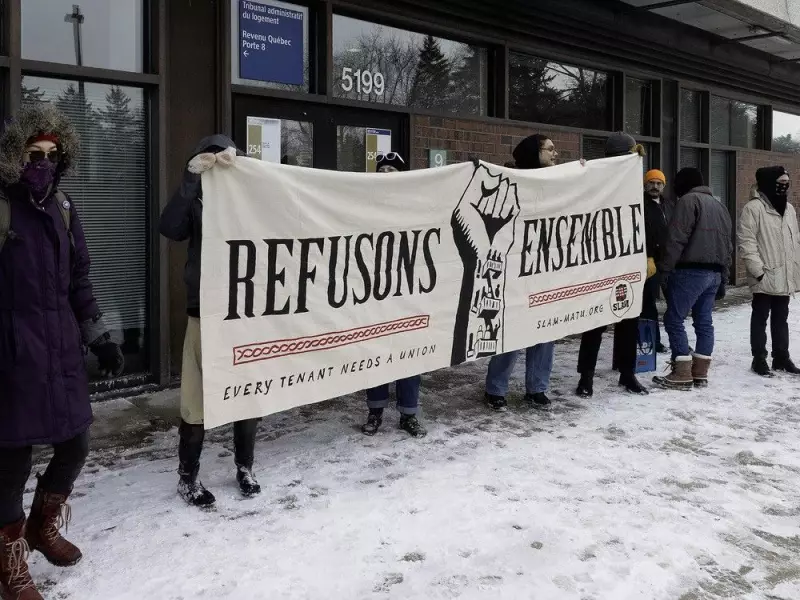
The announcement was met with immediate protest. Outside the TAL offices in Montreal's Olympic Village, approximately 15 members of the Syndicat des locataires autonomes de Montréal (SLAM) gathered to voice their opposition.
A spokesperson for the group, who declined to give her name citing privacy, stated their firm stance against any rent increases. “We’re actually against rent increases altogether. We think that the rents are already too high,” she told reporters. “We don’t want to be like Toronto. We don’t want to be like Vancouver. And we’re against this whole system of exploitation.”
The protesters entered the TAL offices, scattering flyers and chanting, “The tenants, united, will never be defeated.” The SLAM spokesperson outlined a more radical goal: “We seek to abolish rent, expropriate, expulse and evict landlords so that land and housing can be managed collectively.”
Negotiation, Refusal, and Tribunal Backlog
It is important to understand that Quebec's system does not impose a hard cap. The TAL's guideline is intended as a baseline for negotiation between tenants and landlords. Tenants who receive a proposed increase have one month to accept or refuse it.
If a tenant refuses, they maintain the right to stay in their unit. The landlord then has one month to file a case with the TAL to have the rent set officially. This process is facing significant delays. In the fiscal year ending March 31, 2025, the tribunal received a record 22,494 requests to settle rent disputes, with parties waiting an average of 9.2 months for a first hearing.
SLAM promotes collective bargaining as a tactic to circumvent individual negotiations. The union claims its Refusons Ensemble campaign helped 57 renters negotiate lower increases in 2025, with some even securing rent decreases.
Landlord Perspective and Historical Context
The new formula was advocated for by landlord groups like CORPIQ. Spokesperson Éric Sansoucy argued that high inflation post-COVID-19 had broken the old formula, creating a spiral effect. “The balanced solution is at inflation,” Sansoucy said in a recent interview.
This change comes after the steepest rent hike in decades in 2025, when the TAL recommended an average increase of 5.9 per cent for tenants paying their own heat. Public outrage prompted the province to revise the formula to its current inflation-based model.
However, a TAL analysis shows that if this new formula had been applied in past years, it would generally have led to steeper increases than the old system, with 2025 being a rare exception where it benefited tenants who pay for heat.
Special rates apply for seniors receiving personal services through their lease. For them, the guideline allows an increase of 6.7 per cent for the service portion of their rent (or 6 per cent for leases renewing on or before April 1, 2026).