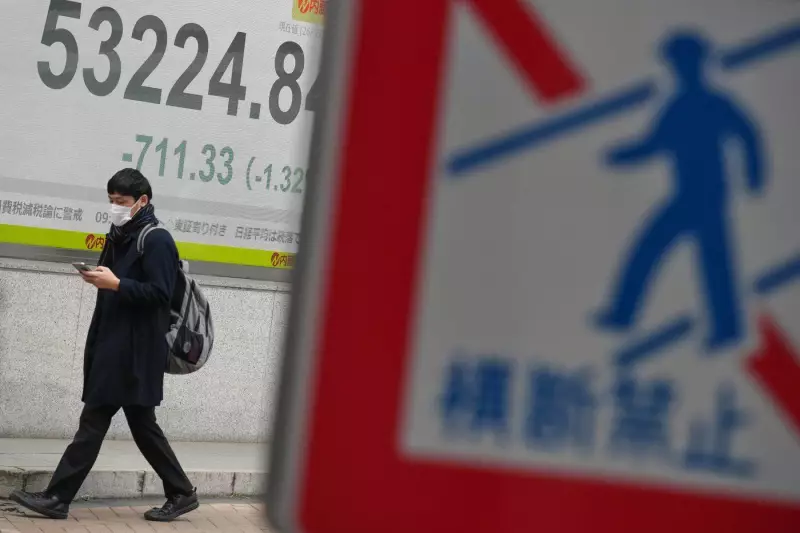
U.S. stock futures took a sharp downturn early Monday, January 19, 2026, following a renewed threat from former President Donald Trump to impose higher tariffs on several nations. The warning is linked to the ongoing diplomatic dispute concerning U.S. ambitions to purchase Greenland.
Market Reaction to Geopolitical Tensions
The immediate financial fallout was clear as futures contracts pointed to a lower opening for American markets. This sell-off reflects deepening investor anxiety over the potential for a significant escalation in international trade tensions. The threat specifically targets eight countries, though their identities were not immediately detailed in the initial reports.
The situation casts a shadow over global economic stability, with key figures expressing concern. Mark Carney, former Governor of the Bank of England and Bank of Canada, stated he is "concerned" about the U.S. escalating its efforts amid the push to acquire Greenland. His comments underscore the apprehension within international financial circles regarding the volatility such threats introduce.

Political and Economic Repercussions
The ripple effects extended into political discourse. In the United Kingdom, Labour leader Keir Starmer was quick to respond, asserting that a trade war is in "no one's interest" following Trump's provocative statement. This highlights the broad international consensus against protectionist measures that could stifle global commerce and economic recovery.
The incident revives the long-standing and controversial U.S. interest in acquiring Greenland, an autonomous Danish territory rich in natural resources. Previous administrations have floated the idea, but it has consistently been met with firm rejection from the Danish government and the people of Greenland. Trump's latest tactic of using tariff threats as leverage marks a significant and aggressive escalation in this geopolitical standoff.
A Context of Global Uncertainty
This development occurs against a backdrop of other significant international business news, including Canada's recent electric vehicle deal with China, which has itself raised cyber security concerns. The concurrent market sensitivity illustrates how geopolitical maneuvers are increasingly directly tied to financial market performance and global supply chain confidence.
Analysts are now closely watching how the targeted nations will respond and whether the threat will materialize into concrete policy. The date of January 19, 2026, may mark a pivotal moment if these tariff warnings lead to a renewed period of economic nationalism and strained international relations, impacting trade flows and investment decisions worldwide.