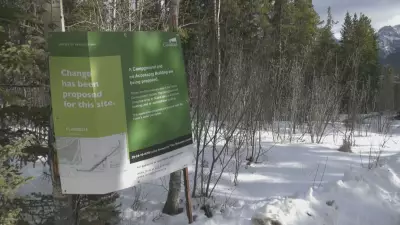
Ottawa's Alto High-Speed Rail Project to Initiate Environmental Assessments on Private Properties
The proposed Alto high-speed rail line, which aims to revolutionize travel between Toronto and Montreal, is set to begin environmental assessments on private properties as part of its development process. This critical step will evaluate the potential impacts of the rail infrastructure on local ecosystems and communities along the route.
Project Overview and Timeline
The Alto high-speed train is designed to travel at speeds of up to 300 kilometers per hour, significantly reducing travel time between Canada's two largest cities. Currently, the drive from Toronto to Montreal takes approximately five to six hours, but the Alto project promises to cut this to just three hours. Environmental assessments on private lands are scheduled to commence in the near future, marking a pivotal phase in the rail line's planning and approval stages.
Importance of Environmental Assessments
Environmental assessments are a mandatory component of major infrastructure projects in Canada, ensuring that developments comply with federal and provincial regulations. For the Alto high-speed rail, these assessments will focus on private properties to identify and mitigate any adverse effects on wildlife habitats, water resources, and air quality. The process involves detailed studies and public consultations to address concerns from landowners and environmental groups.

Key aspects of the assessments include:
- Evaluating soil and water contamination risks
- Assessing noise and vibration impacts on nearby residents
- Analyzing potential disruptions to local flora and fauna
- Reviewing land use and zoning compatibility
Broader Context and Challenges
The Alto high-speed rail project is part of a broader push to enhance Canada's transportation infrastructure and reduce carbon emissions by offering a sustainable alternative to car and air travel. However, it faces challenges such as securing land acquisitions, navigating regulatory hurdles, and addressing public opposition from affected property owners. Similar projects globally have shown that thorough environmental assessments can help build community trust and ensure long-term sustainability.
As the assessments proceed, stakeholders will closely monitor the findings to ensure the project aligns with environmental standards and benefits the regions it traverses.