Air Traffic Controllers Detail Chaos in Fatal Air Canada LaGuardia Collision
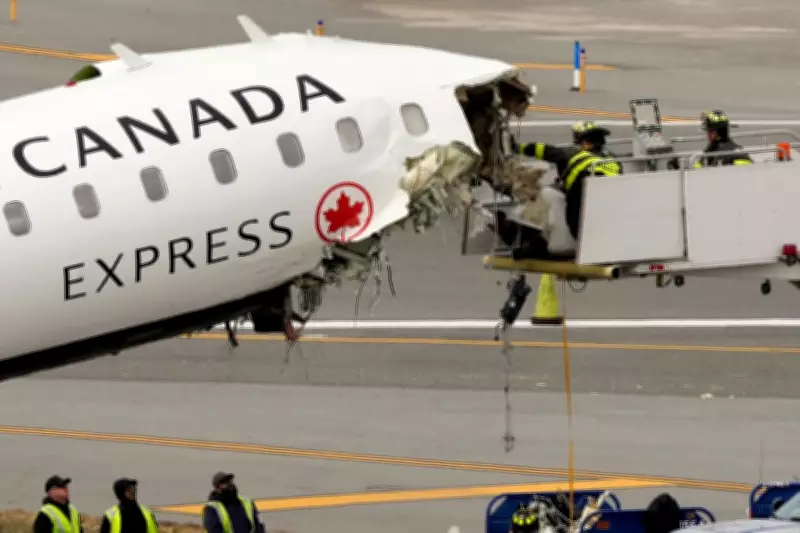
Investigators are piecing together the events that led to a catastrophic runway collision at New York's LaGuardia Airport involving an Air Canada flight, with air traffic controllers now describing scenes of "chaos and panic" during the incident. The crash, which resulted in the deaths of both Canadian pilots, has raised urgent questions about aviation safety protocols and resource allocation.
Controllers Describe Critical Moments
According to multiple air traffic controllers who spoke on condition of anonymity, the moments leading up to the collision were marked by confusion and inadequate communication. "It was chaos and panic," one controller stated, echoing the account of a survivor who described the impact as sudden and violent. Controllers emphasized that the fire truck involved in the incident lacked essential equipment despite being cleared to cross the active runway.
Former accident investigators have pointed to excessive workload as a potential contributing factor. "We have to pay attention to the workload of air traffic controllers," emphasized one former investigator, noting that staffing shortages and high-pressure environments can compromise safety margins. This concern aligns with broader questions about whether Canada is facing an air traffic controller shortage that might affect cross-border operations.

Equipment Failures and Safety Oversights
The investigation has revealed that the fire truck cleared to cross LaGuardia's runway was missing critical safety equipment, raising alarms about maintenance and clearance procedures. This oversight occurred despite standard protocols requiring vehicles to be fully equipped when operating near active runways. Aviation experts suggest that such lapses indicate systemic issues in ground operations management.
Meanwhile, the bodies of the pilots killed in the collision have been repatriated to Canada following a ceremony at Newark Airport. The pilots, including Captain Mackenzie Gunther remembered as "one of the best," were honored by colleagues and family members. Their deaths have intensified scrutiny of airport safety measures on both sides of the border.
Broader Implications for Aviation Safety
The LaGuardia collision has sparked debates about international aviation standards and the coordination between U.S. and Canadian authorities. While Canada's transport minister has urged Canadians not to worry about U.S. travel following the crash, advocates warn that survivors could pursue lawsuits against Air Canada seeking hundreds of thousands of dollars in damages.
As investigators continue their work, the incident underscores the fragile balance between operational efficiency and safety in busy airport environments. The detailed accounts from controllers provide crucial insights into how breakdowns in communication and equipment readiness can lead to tragedy, prompting calls for enhanced training and resource allocation in air traffic management systems.