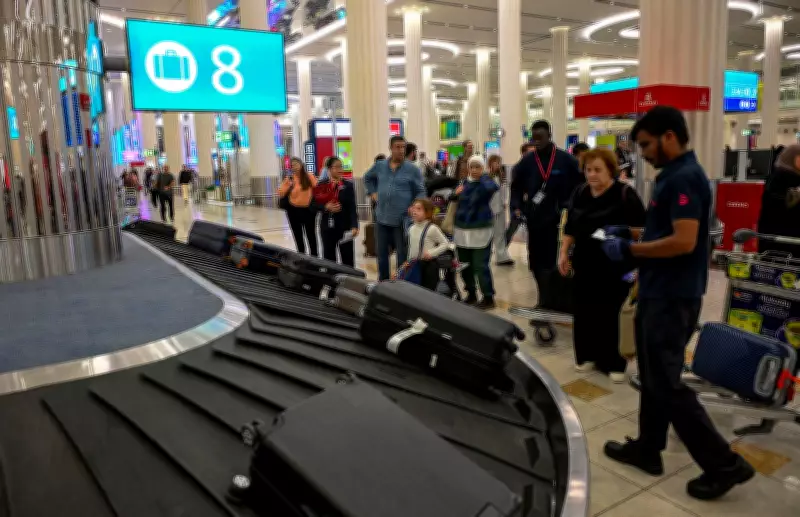
Global Aviation Landscape Sees Dubai International Airport Maintain Prominent Position
As the world's aviation industry continues its post-pandemic recovery, Dubai International Airport has solidified its status as a global travel hub, maintaining the No. 2 position among the world's busiest airports since 2023. More significantly, the Middle Eastern gateway has consistently ranked as the busiest airport worldwide for international passenger traffic throughout this period.
Regional Conflicts Create Significant Operational Challenges
The ongoing war in the Middle East has introduced substantial disruptions to airport operations and global travel patterns throughout 2025. These geopolitical tensions have affected flight schedules, passenger volumes, and logistical operations across the region, creating ripple effects throughout the international aviation network.
Despite these challenges, Dubai International Airport has demonstrated remarkable resilience in maintaining its operational capacity and passenger services. The airport's strategic location as a connecting point between East and West continues to make it an essential node in global air travel, even as regional instability presents ongoing complications for airlines and passengers alike.

Global Airport Rankings Reflect Changing Travel Patterns
The annual assessment of the world's busiest airports reveals how geopolitical events, economic factors, and evolving travel preferences are reshaping global aviation. While Dubai maintains its prominent position, other major airports around the world have experienced fluctuations in passenger volumes and operational metrics throughout 2025.
Industry analysts note that the Middle East conflicts have particularly affected transcontinental routes and international connecting flights, with some airlines adjusting their schedules and capacity to accommodate changing security considerations and passenger demand patterns.
Looking Ahead to Future Aviation Developments
As the aviation industry navigates these complex challenges, airport authorities and airlines worldwide are implementing new strategies to enhance operational resilience and passenger experience. The continued prominence of Dubai International Airport despite regional instability underscores the importance of robust infrastructure and adaptive management in maintaining critical transportation links.
The global aviation community continues to monitor developments in the Middle East closely, recognizing that regional stability plays a crucial role in maintaining efficient international air travel networks. As 2025 progresses, industry observers will be watching how these factors continue to influence airport rankings and global travel patterns in the coming years.