Is Kanata South to Downtown Ottawa the City's Most Grueling Commute?
For many residents of Kanata South, the daily trek to downtown Ottawa has become a source of significant frustration, raising questions about whether this route represents the city's most arduous commute. The journey, often reliant on OC Transpo's bus services, highlights ongoing challenges in urban transportation infrastructure and efficiency.
The Route 60 Experience: A Microcosm of Transit Woes
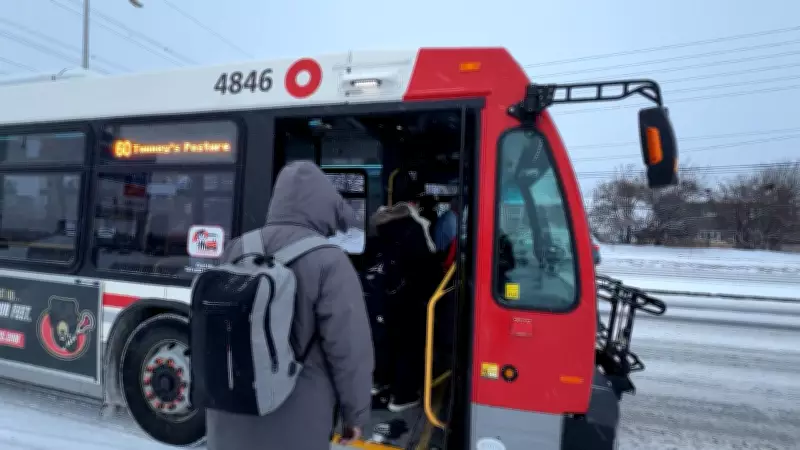
At the heart of this commute is OC Transpo's bus Route 60, which serves key areas like Eagleson Road and Cope Drive. Commuters report lengthy travel times, inconsistent schedules, and overcrowding during peak hours, turning what should be a straightforward trip into a daily ordeal. These issues are not isolated but reflect broader systemic problems within Ottawa's public transit network.
Persistent delays and missed connections exacerbate the situation, with some riders noting that the route's reliability has deteriorated over time. This has led to increased stress and reduced productivity for those who depend on it for their daily travel needs.

Broader Context: Urban Mobility Under Scrutiny
The struggles on the Kanata South to downtown route occur against a backdrop of wider transportation debates in Ottawa and beyond. From discussions about infrastructure funding to the impacts of extreme weather on road conditions, the city's commute challenges are multifaceted. For instance, crumbling infrastructure due to extreme weather has prompted Canadian drivers to consider additional insurance for pothole damage, underscoring how environmental factors compound transit issues.
Moreover, the commute woes in Ottawa mirror concerns seen in other Canadian cities, where urban growth often outpaces transportation planning. This has sparked calls for more sustainable and efficient mobility solutions, including investments in green technology and improved public transit systems.
Community Impact and Calls for Action
Local residents and advocacy groups have voiced their concerns, urging municipal authorities to address the inefficiencies on this route. They argue that a reliable commute is not just a convenience but a necessity for economic vitality and quality of life. As one commuter noted, "These daily delays aren't just annoying—they affect our work, our families, and our well-being."
In response, city officials have acknowledged the issues but emphasize the complexities of overhauling transit networks. With Ottawa's population continuing to expand, particularly in suburban areas like Kanata, the pressure to find solutions is mounting. Proposed measures include route optimizations, increased bus frequencies, and long-term plans for integrated transportation hubs.
As the debate continues, the Kanata South to downtown commute serves as a stark reminder of the urgent need for innovative approaches to urban mobility. Whether through technological advancements, policy reforms, or community engagement, addressing these challenges will be crucial for Ottawa's future as a livable and connected city.