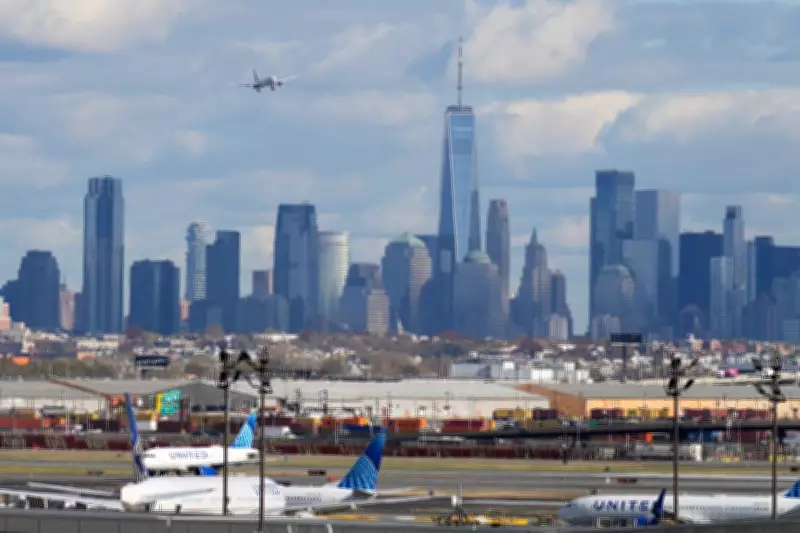
A strong burning smell forced the evacuation of the air traffic control tower at Newark Liberty International Airport on Monday, March 23, 2026, leading to a brief suspension of flight operations. The incident, which occurred around 9:45 AM EDT, caused immediate disruptions as emergency responders rushed to the scene to assess the situation.
Emergency Response and Investigation
Authorities quickly evacuated the control tower after personnel reported an acrid odor resembling something burning. Firefighters and airport security teams conducted a thorough inspection of the facility to identify the source of the smell and ensure there was no fire hazard. Initial reports indicated no visible flames or smoke, but the precautionary measures were taken to safeguard staff and maintain aviation safety protocols.
Impact on Flight Operations
The evacuation resulted in a temporary halt to incoming and outgoing flights at Newark Airport, one of the busiest aviation hubs in the New York City metropolitan area. Air traffic control functions were temporarily managed from alternate locations until the tower was deemed safe for re-entry. Flight delays and cancellations affected numerous passengers, with airlines working to minimize inconvenience and provide updates.

Officials emphasized that the incident was resolved within a few hours, with normal operations resuming after the all-clear was given. No injuries were reported among airport staff or passengers, and the cause of the burning smell is under investigation by relevant agencies, including the Federal Aviation Administration (FAA).
Context and Safety Measures
This event highlights the critical importance of rapid response protocols in aviation infrastructure. Newark Airport, located in Newark, New Jersey, serves as a major gateway for domestic and international travel, with its control tower playing a vital role in coordinating air traffic. Similar incidents in the past have prompted reviews of safety procedures to prevent prolonged disruptions.
Airport representatives stated that such evacuations are rare but necessary to prioritize health and safety. They reassured the public that systems are in place to handle emergencies efficiently, minimizing impact on travel schedules. Passengers are advised to check with their airlines for any ongoing updates regarding flight statuses.
The investigation into the burning smell continues, with authorities examining potential sources such as electrical systems or external factors. This incident underscores the ongoing challenges in maintaining operational continuity at major transportation hubs while ensuring stringent safety standards.