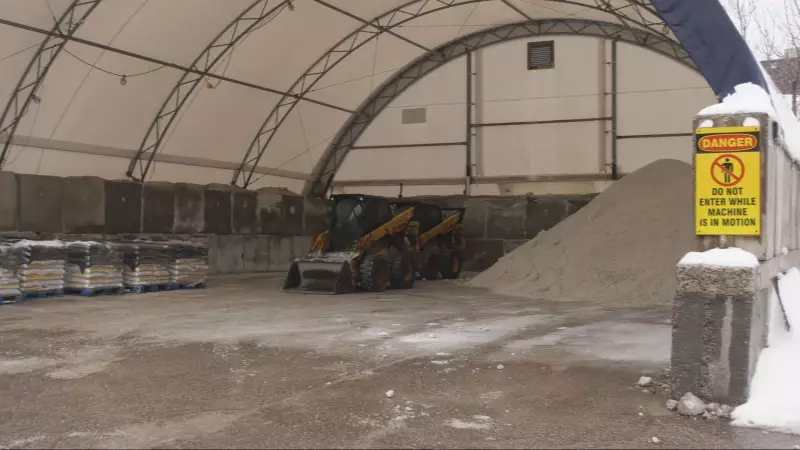
A significant shortage of road salt is creating major challenges for snow removal contractors across Ontario as they work to keep roads safe this winter. The scarcity has forced many companies to look beyond Canadian borders to secure the vital de-icing material, leading to increased costs and logistical headaches.
Contractors Forced to Source Internationally
CTV News has learned that numerous snow and ice management firms are having to procure salt from international suppliers to fulfill their contracts. This unprecedented move highlights the severity of the supply crunch hitting the province. The shortage emerged as a critical issue in early January 2026, with contractors reporting difficulties securing adequate stocks from traditional domestic sources.
The need to import salt adds considerable expense and complexity to winter maintenance operations. Contractors must now navigate international logistics, customs, and fluctuating global prices, costs that may eventually be passed on to municipalities and private clients.

Impact on Winter Road Safety and Operations
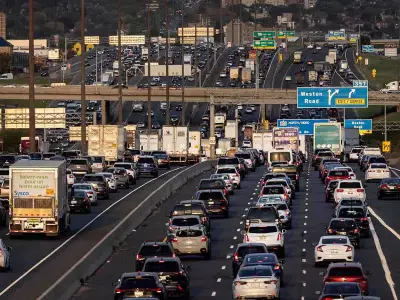
Road salt is essential for maintaining safe driving conditions on Ontario's highways and streets during snow and ice events. A prolonged shortage could potentially compromise road safety and increase the risk of accidents. Municipalities and the Ministry of Transportation rely on a steady supply to pre-treat and clear roads during storms.
While the exact cause of the shortage is under investigation, industry experts point to a combination of factors including high early-season demand, potential production issues, and supply chain disruptions. The situation underscores the vulnerability of critical winter supply chains.
Looking Ahead for Solutions
The industry is calling for better planning and communication to prevent similar crises in future winters. Some contractors are exploring alternative de-icing materials and strategies, though salt remains the most effective and widely used option. The provincial government is likely to face pressure to ensure a more resilient supply system for this essential public safety commodity.
As winter continues, all eyes will be on inventory levels and whether the international sourcing efforts by contractors can bridge the gap. The situation serves as a stark reminder of how dependent safe winter travel is on a single, sometimes fragile, supply chain.