Ottawa City Council to Consider Refunds and Discounts for Transit Riders Amid OC Transpo Disruptions
The Ottawa City Council is set to deliberate on a proposal that could provide financial relief to transit riders impacted by service disruptions on the OC Transpo network. This discussion comes in response to ongoing operational challenges, particularly with the O-Train system, which have inconvenienced many commuters.
Background on Recent Transit Issues
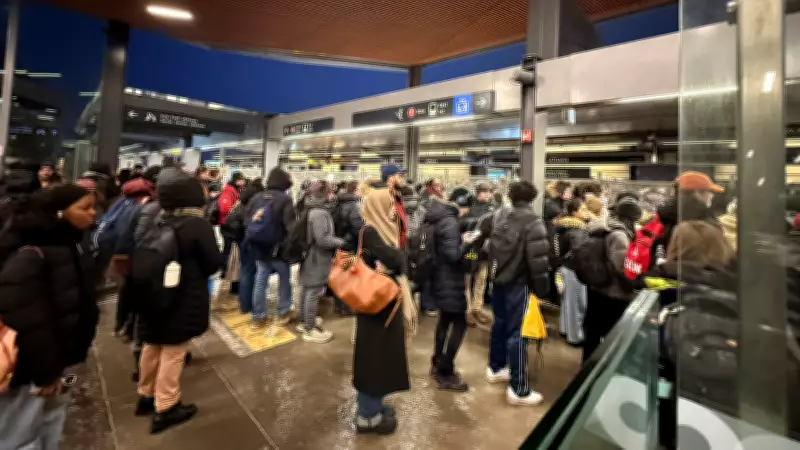
In late January 2026, passengers experienced significant delays and service interruptions at key stations, including uOttawa Station, as captured in recent media reports. These incidents have sparked public concern and calls for accountability from transit authorities.
The proposed measures aim to address rider frustrations by offering partial refunds or discounted fares during periods of major service breakdowns. This initiative reflects a growing trend in urban transit systems to prioritize customer satisfaction and fairness in fare policies.

Council's Upcoming Debate
The council meeting will explore various options for implementing such a compensation program. Key considerations include:
- Defining criteria for eligible disruptions, such as prolonged delays or cancellations.
- Establishing a transparent process for riders to claim refunds or discounts.
- Assessing the financial impact on OC Transpo's operational budget.
Transit advocates argue that providing monetary compensation is essential to maintain public trust and encourage continued use of public transportation. However, some council members may raise concerns about the logistical and fiscal implications of such a program.
Wider Context and Implications
This debate occurs amidst broader discussions on improving Ottawa's transit infrastructure and reliability. Similar initiatives have been adopted in other Canadian cities facing transit challenges, highlighting a national focus on enhancing public transportation systems.
The outcome of the council's discussion could set a precedent for how transit agencies across the country handle service disruptions and rider compensation in the future.