In the charming film Groundhog Day, the protagonist relives the same day repeatedly in a humorous fictional scenario. However, for residents of Ottawa, this concept feels all too real when observing the city's approach to urban development and transportation policy.
A Tale of Two Capital Cities
While Ottawa remains trapped in circular debates about sidewalks and bus lanes, Paris has been undergoing a remarkable transformation under outgoing mayor Anne Hidalgo's leadership. The French capital has become a global model for reducing car dependency and creating people-friendly urban spaces.
Paris's Green Revolution
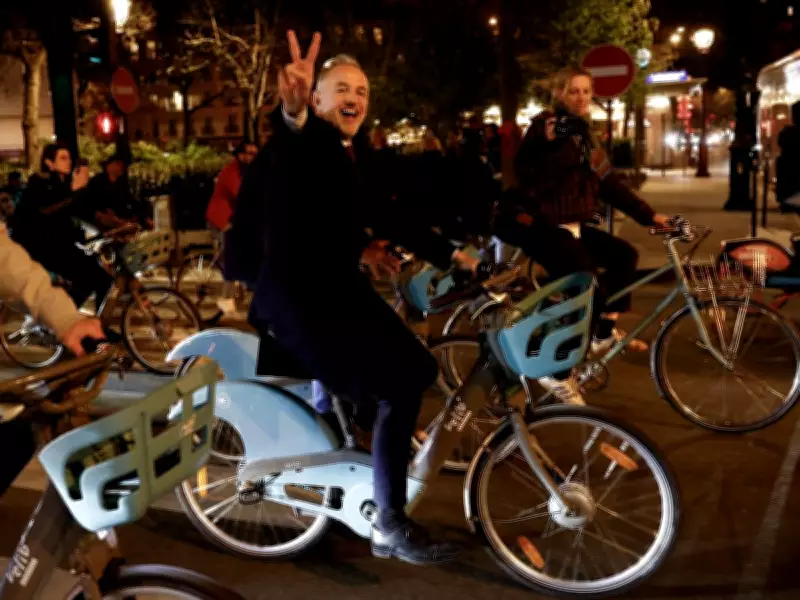
Socialist Emmanuel Grégoire's recent election as Paris's new mayor represents a clear endorsement of the city's ongoing transportation revolution. His symbolic ride on a Vélib' bike-share bicycle to his victory speech perfectly illustrated the city's commitment to alternative transportation.

This wasn't merely political theater. Parisians have witnessed tangible changes over Hidalgo's twelve-year tenure:
- Removal of over 50,000 parking spots throughout the city
- Construction of 1,300 kilometers of dedicated bicycle lanes
- A 40 percent reduction in inner-city driving
- Transformation of polluted riverbanks into pedestrian parks
- Implementation of the "rues aux écoles" initiative making streets around schools safe for children
The Seine River, once so polluted its odor was described as three-dimensional, has been cleaned to the point where Hidalgo famously swam in it to demonstrate its improved water quality ahead of the summer Olympics.
Ottawa's Paralysis by Analysis
Meanwhile, Ottawa continues to operate in what the author describes as "a vicious circle of perpetual pointlessness." The city produces slow, partial, half-baked pilot projects that rarely evolve into comprehensive solutions.
Current examples of Ottawa's cautious approach include:
- The ongoing debate about whether Manor Park needs sidewalks, despite residents' insistence they don't and safety data supporting their position
- Contemplation of a potential small pilot project for dedicated bus lanes along Bank Street in the Glebe—possibly, sometimes, but certainly not all day
- The 2024 on-demand transit pilot that was so successful the city decided to expand it by purchasing ten minibuses to be deployed two and a half years later
The author notes one exception: Ottawa's e-scooter program, which has proven successful enough to be repeatedly renewed. However, this stands as "the exception that proves the rule" of the city's generally timid approach to transportation innovation.
Political Continuity vs. Policy Paralysis
Paris's political landscape offers an interesting contrast. While the city has elected left-wing mayors for twenty-five consecutive years, this continuity has enabled bold, long-term planning. Parisians have clearly expressed satisfaction with Hidalgo's green transportation revolution by electing Grégoire, who promises to continue and expand these initiatives.
In Ottawa, by contrast, political debates often center on whether to implement basic infrastructure like sidewalks, with decisions delayed by endless consultations and pilot projects that fail to scale into meaningful change.
The Path Forward
The comparison between these two capital cities reveals a fundamental difference in municipal governance philosophy. Paris demonstrates what's possible when a city commits to a clear vision and implements it decisively over multiple electoral cycles.
Ottawa, meanwhile, illustrates how excessive caution and perpetual piloting can prevent cities from achieving transformative change. As Paris moves forward with its ambitious urban transformation under new leadership, Ottawa faces a choice: continue with incremental, often ineffective approaches, or learn from cities that have successfully implemented bold transportation and urban planning policies.
The challenge for Ottawa's leadership isn't merely technical or financial—it's about developing the political will to move beyond perpetual pilot projects and implement comprehensive solutions that create a more sustainable, accessible, and livable city for all residents.