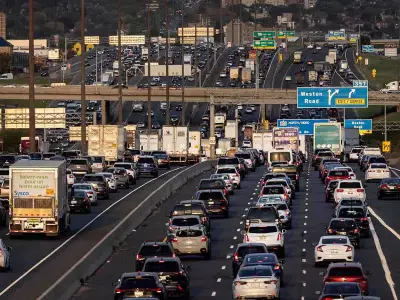
The province of Nova Scotia is set to join other Canadian jurisdictions in utilizing automated technology to promote safer roads. The government has confirmed plans to implement speed cameras within the current year, 2026, marking a significant shift in its traffic enforcement strategy.
The Plan for Automated Enforcement
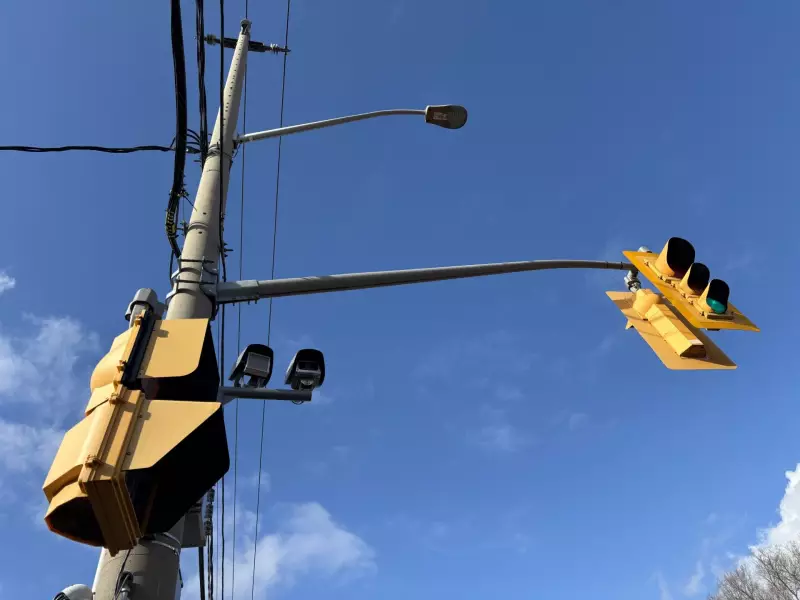
While specific locations for the initial rollout have not been publicly detailed, the program is expected to follow models used successfully in provinces like Ontario. The cameras, also known as automated speed enforcement (ASE) systems, are designed to capture images of vehicles exceeding the posted speed limit. A ticket is then issued to the registered owner of the vehicle.
This initiative represents a move towards a more consistent, 24/7 enforcement presence, aiming to modify driver behaviour in high-risk areas such as school zones, community safety zones, and known collision corridors. The technology is intended to act as a deterrent, encouraging drivers to obey speed limits even when a police officer is not visibly present.

Aligning with Broader Safety Goals
The introduction of speed cameras in Nova Scotia aligns with a national trend of adopting technology to address road safety. Proponents argue that automated enforcement is a proven tool for reducing speeding, which is a major contributing factor in serious and fatal collisions.
The provincial government has indicated that revenue generated from fines will be directed back into road safety programs, a common practice meant to ensure the program is viewed as a safety measure rather than simply a revenue generator. Public awareness campaigns are expected to accompany the rollout to educate drivers about how the system works and where cameras will be operational.
Expected Impact and Public Response
The announcement is likely to generate mixed reactions. Safety advocates and community groups in areas plagued by speeding are anticipated to welcome the measure. They often cite the need for tangible action to protect vulnerable road users, including children and seniors.
Conversely, some drivers may express concerns over privacy or the fairness of ticketing the vehicle's registered owner regardless of who was driving. However, legal precedents in Canada have generally upheld this method of enforcement, similar to systems for red-light cameras.
The success of the program will likely be measured by a reduction in average speeds and speeding violations in monitored areas, as well as a long-term decrease in speed-related crashes. Nova Scotia's move signifies a continued evolution in traffic management, leveraging technology to create a safer environment for all road users.