Transit Agencies Navigate Diesel Price Volatility Amid Global Conflict
British Columbia's major public transit operators are responding differently to escalating diesel fuel costs connected to the ongoing Middle East conflict. While B.C. Transit acknowledges potential impacts on future capital planning, TransLink reports insulation from immediate price fluctuations due to strategic long-term contracting.
Contractual Protection Against Market Volatility
TransLink, which manages transit services across Metro Vancouver, has implemented five-year fuel supply contracts to secure price certainty and bulk discounts. This approach effectively buffers the agency from short-term market disruptions. "We budget contingencies for fluctuations in fuel prices, which means short-term changes in price do not affect our services, capital projects, or funding gaps," explained Dan Mountain, TransLink's senior media relations adviser.
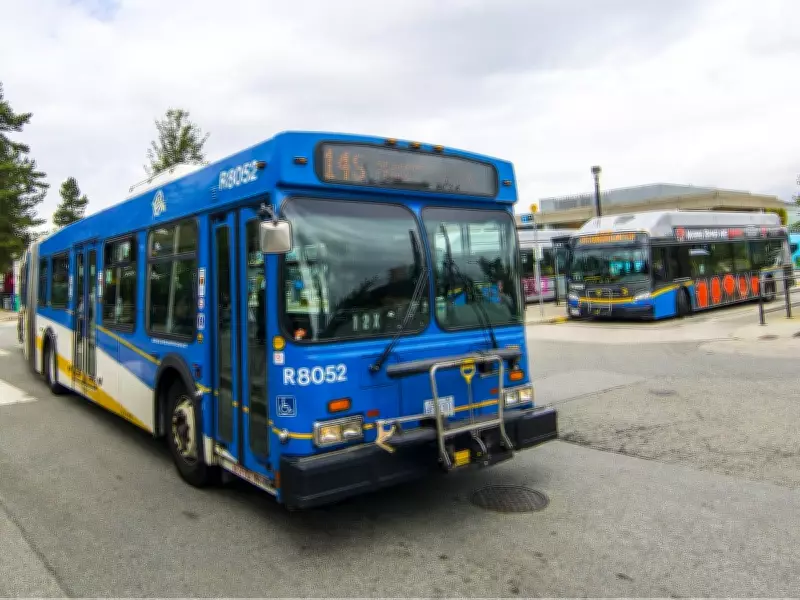
The transit authority spent $51.5 million on diesel fuel last year, representing a significant but managed operational expense. Approximately half of Coast Mountain Bus Company's fleet—a TransLink subsidiary—operates on diesel, though some vehicles incorporate hybrid diesel-electric technology.

B.C. Transit's Cautious Assessment
B.C. Transit, serving regions outside Metro Vancouver including the Fraser Valley, faces different financial considerations. The agency notes that each 10-cent increase in diesel prices adds approximately $2 million to operational costs. While current contracts provide discounted pricing, officials are evaluating capital project timing in response to the evolving fiscal environment.
"Given the current fiscal environment, the agency is assessing the scale, timing and possible phasing of capital projects to ensure they are appropriately timed for long-term success," stated communications manager Tessa Humphries. About 43% of B.C. Transit's fleet relies on diesel propulsion.
Global Conflict Drives Price Surge
The Middle East conflict that escalated in late February has severely disrupted tanker traffic through the Strait of Hormuz, blocking 20-25% of global oil supplies. This geopolitical development has triggered dramatic fuel price increases across British Columbia.
Retail diesel prices in Vancouver have surged nearly 40% to $2.52 per litre, according to data from Natural Resources Canada and Statistics Canada. This sharp increase reflects the vulnerability of fuel markets to international conflicts and supply chain disruptions.
Electrification as Strategic Response
Both transit agencies are actively pursuing fleet electrification to reduce long-term dependence on diesel fuel. TransLink has been diversifying its bus fleet with electric, natural gas, and compressed natural gas vehicles. Similarly, B.C. Transit has introduced 25 battery-electric buses in Victoria with plans to deploy 80 additional electric vehicles province-wide this year.
The agencies operate with substantial annual budgets—TransLink at approximately $2.5 billion in 2025 and B.C. Transit at about $400 million—making fuel cost management a critical component of financial sustainability. Their contrasting approaches to the current price crisis highlight different risk management strategies within public transportation systems.
As global conflicts continue to influence energy markets, British Columbia's transit operators demonstrate how long-term planning and technological adaptation can provide resilience against external economic pressures. The shift toward electrification represents not only an environmental commitment but also a strategic financial safeguard against future fuel market volatility.