Kindergarten Readiness in B.C.: Expert Guidance for Parents
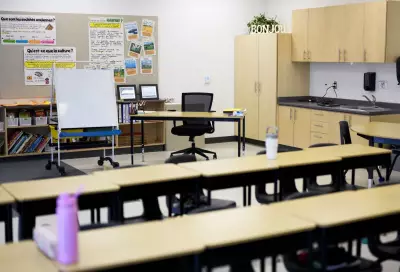
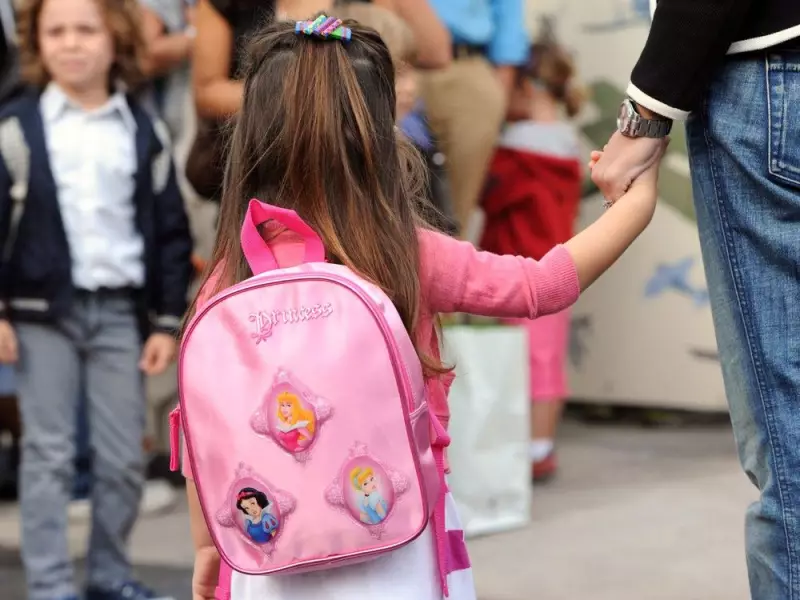
As thousands of families across British Columbia prepare for their children's entry into kindergarten this September, education experts are offering valuable insights into what truly constitutes readiness for this important educational milestone. With over 38,000 children expected to begin kindergarten in B.C. this year, parents naturally wonder about the best ways to prepare their young learners for this transition.
Redefining Kindergarten Readiness
Adrienne Stewardson, district principal of early learning and child care for the Vancouver school board, challenges the conventional notion of "readiness" that might imply some children aren't prepared for school. "Everybody's ready for kindergarten no matter where your child is at," Stewardson emphasizes, reassuring parents that the education system is designed to meet children at their individual developmental stages.
Laurie Ford, a child psychologist and director of early childhood education at the University of British Columbia, expands on this perspective by explaining that school readiness focuses less on academic skills and more on a child's capacity to learn. "School readiness isn't so much about academics, but whether the child is ready to learn," Ford clarifies, highlighting essential developmental areas including:

- Ability to follow routines and instructions
- Effective communication of needs and wants
- Emotional regulation and self-management
- Positive engagement with peers and adults
Beyond Academic Expectations
Many parents wonder about specific academic benchmarks, such as whether children should know their ABCs or write their names before starting kindergarten. Stewardson addresses this concern directly: "There's no expectation that they do." While some children may possess these skills, their absence doesn't indicate a disadvantage, as kindergarten curriculum systematically introduces these concepts throughout the school year.
Ford cautions against excessive focus on formal academic preparation, noting that true readiness emerges from natural developmental experiences. "School readiness comes from language exposure, play, and emotional regulation, not worksheets or drills," she explains. Everyday activities like reading together naturally introduce foundational skills including letter recognition, comprehension, and critical thinking without the pressure of formal instruction.
Practical Preparation Strategies
Ford offers practical advice for parents navigating the kindergarten transition: "If families are doing the everyday things that naturally support a child's development, in theory, that child will be ready for school." This approach emphasizes the importance of regular routines, social interactions, and emotional support over structured academic preparation.
The experts remind parents that children have twelve years of formal education ahead, making the kindergarten year more about establishing positive learning attitudes than achieving specific academic milestones. "When we talk about school readiness, I like to flip it and make sure the children are in a phase they're ready to learn," Ford concludes, encouraging a holistic approach to this important educational beginning.
For British Columbia families preparing for this significant transition, these expert perspectives provide reassurance that emotional and social readiness form the true foundation for successful kindergarten experiences, with academic skills developing naturally through the supportive environment of early childhood education.