US Schools Face Unprecedented Drop in Immigrant Student Enrollment
Educational institutions from Miami to San Diego are experiencing significant declines in enrollment among students from immigrant families. This trend reflects broader changes in immigration patterns and policies affecting families across the United States.
Budget Impacts and Administrative Challenges
In Miami-Dade County Public Schools, the numbers tell a dramatic story. Only 2,550 students have entered the district from other countries this school year, compared to nearly 14,000 last year and more than 20,000 the previous year. School board member Luisa Santos, who herself arrived as an 8-year-old immigrant, described the trend as a sad reality that has personal resonance.
The collective enrollment declines have erased approximately $70 million from Miami-Dade's annual budget, forcing administrators to urgently address the unexpected financial shortfall. Similar scenarios are playing out in school districts nationwide as they grapple with the financial consequences of reduced student populations.

Border Policies and Family Decisions
Multiple factors contribute to this educational shift. Some parents have faced deportation or chosen to return voluntarily to their home countries, influenced by changing immigration policies. Other families have relocated within the United States, while the most significant factor appears to be that far fewer families are arriving from other countries initially.
Albertville City Schools Superintendent Bart Reeves in northern Alabama noted that his district's newcomer academy hasn't enrolled any new students this year. He directly attributes this change to border closures and expects the enrollment decline will cost his district approximately 12 teaching positions.
Personal Stories Behind the Statistics
The human impact extends beyond budget spreadsheets. Edna, a 63-year-old immigrant from El Salvador, experienced this firsthand when she received a call about a Guatemalan friend with seven children who had been detained on immigration charges. The family had prepared legal documents granting Edna temporary custody, but eventually all seven children boarded a plane to Guatemala, leaving behind their friends, activities, and the only life they had known.
Similar stories unfold in Chelsea, Massachusetts, where Daniel Mojica, director of the parent information center, reports increased fear in the community due to visible Immigration and Customs Enforcement presence. This academic year, only 152 newcomers registered for Chelsea Public Schools, compared to 592 the previous summer.
Educational and Social Consequences
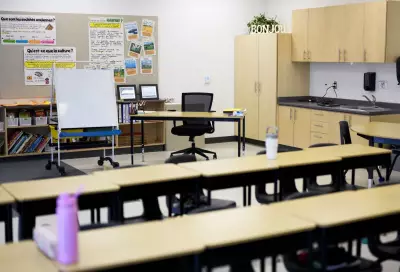
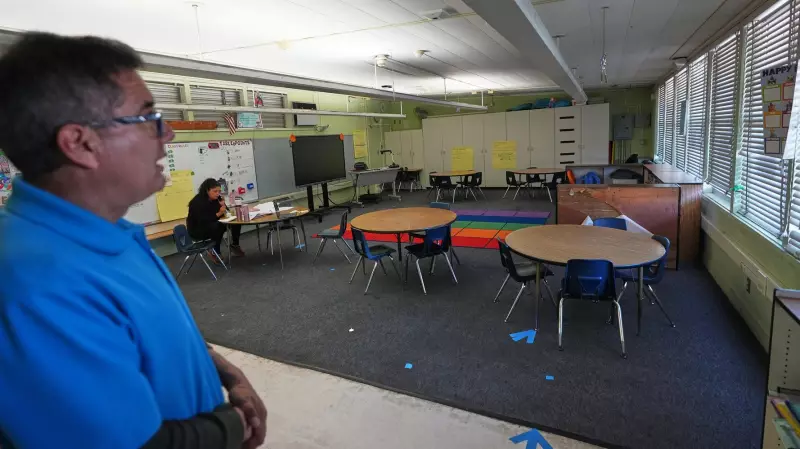
Educators express concern about the broader implications beyond academic progress. Fernando Hernandez, principal at Perkins K-8 School in San Diego, has watched as cultural exchange between students from different Latin American backgrounds enriched his school community. This year, however, he hasn't enrolled a single newcomer student.
Hernandez worries students are missing crucial opportunities to develop empathy, learn to share, understand disagreement, and build cross-cultural understanding. He compares the current situation to pandemic-era isolation, emphasizing that children need social interaction and classroom experiences to develop fully.
The Houston Independent School District has taken drastic measures in response to declining numbers, closing the Las Americas Newcomer School after enrollment fell from 111 students to just 21. Similar patterns appear in Denver, where public schools enrolled only 400 new-to-country students this summer versus 1,500 during the previous summer.
As schools nationwide adjust to these demographic shifts, educators and administrators continue to advocate for the importance of inclusive educational environments that welcome students from all backgrounds while managing the practical challenges of changing enrollment patterns.