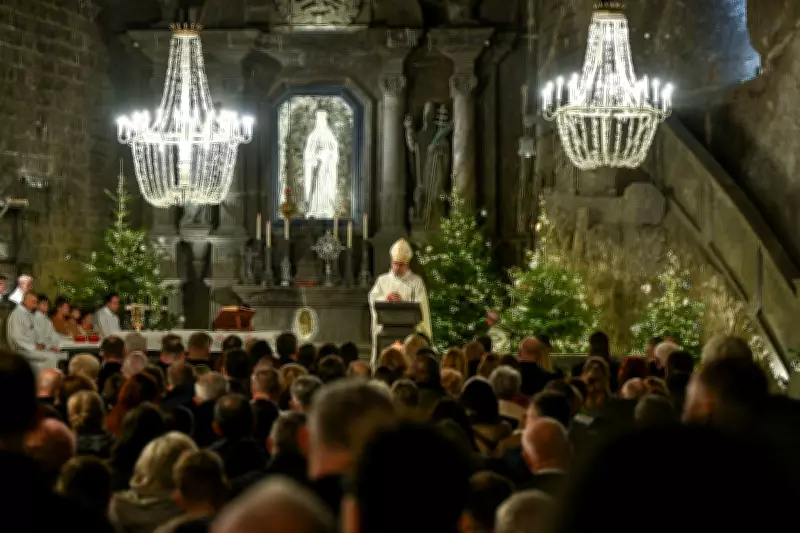
Beneath the surface of southern Poland, a remarkable subterranean world exists that has evolved from a functional salt mine into one of Europe's most peculiar and captivating tourist attractions. The Wieliczka Salt Mine, operational for over 700 years, now draws millions of visitors annually to explore its depths, where history, art, and geology intertwine in a stunning underground landscape.
From Industrial Site to Cultural Marvel
The transformation of this extensive salt mining complex represents one of the most unusual heritage preservation stories in modern Europe. What began as a crucial economic resource for the Polish kingdom has gradually morphed into a UNESCO World Heritage site that showcases human ingenuity and artistic expression in the most unexpected of environments.
Architectural Wonders Carved from Salt
Within the mine's labyrinthine passages, visitors encounter breathtaking chambers and structures sculpted entirely from salt rock. The most famous of these is St. Kinga's Chapel, an underground sanctuary where regular religious services continue to be held, including Christmas Mass as recently as 2025. This remarkable space features intricate salt chandeliers, detailed religious sculptures, and altars all carved from the mine's primary material.

Beyond the chapel, the mine contains numerous other artistic and architectural marvels. Salt sculptures depicting historical figures, mythical creatures, and religious scenes line the corridors, while underground lakes reflect the carefully engineered lighting systems that illuminate this subterranean kingdom. The mine extends approximately 327 meters deep and contains over 287 kilometers of passages, though only a fraction of this vast network is accessible to tourists.
A Unique Tourist Experience
The Wieliczka Salt Mine offers visitors an experience unlike any other European attraction. Guided tours descend through wooden staircases and along historic mining corridors, revealing not just the geological formations but also the human history embedded in these walls. The mine's microclimate, with consistent temperature and humidity levels, has proven beneficial for visitors with respiratory conditions, adding an unexpected therapeutic dimension to the tourist experience.
Preservation and Modern Significance
Despite ceasing commercial salt extraction in 1996, the mine continues to serve multiple functions. It operates as both a major tourist destination and an active cultural site, hosting concerts, conferences, and even weddings in its unique underground spaces. The preservation efforts have maintained the mine's historical integrity while adapting it for contemporary use, creating a fascinating case study in heritage management.
The site's recognition as a UNESCO World Heritage property in 1978 acknowledged its significance as "one of the world's oldest operating salt mines" that demonstrates "the historic stages of the development of mining techniques in Europe from the 13th to the 20th centuries." This designation has helped ensure ongoing conservation while increasing international awareness of this underground marvel.
Engineering and Artistry Combined
What makes the Wieliczka Salt Mine particularly extraordinary is the seamless integration of practical mining engineering with artistic expression. Miners throughout the centuries didn't merely extract salt; they transformed their workplace into a gallery of underground art. This tradition continues today with contemporary artists adding new salt sculptures to the collection, ensuring the mine remains a living cultural space rather than a static museum.
The mine's infrastructure itself represents engineering achievements, with sophisticated ventilation systems, timber supports that have endured for centuries, and drainage solutions that prevent flooding in the underground chambers. These practical elements coexist with the artistic creations, telling a comprehensive story of human adaptation to challenging environments.

Continued Relevance and Visitor Experience
Today, the salt mine welcomes approximately 1.5 million visitors annually, making it one of Poland's most popular tourist destinations. The experience begins with a descent down 378 steps to the first level, 64 meters below the surface, with elevators available for the return journey. Tours typically cover about 3.5 kilometers of passages and include visits to 20 different chambers, each with its own unique character and history.
Beyond the visual spectacle, the mine offers educational programs about geology, mining history, and salt's role in human civilization. Specialized tours cater to different interests, including thematic routes focusing on geology, history, or pilgrimage aspects of the site. The mine has successfully balanced mass tourism with preservation needs, maintaining the delicate underground environment while sharing its wonders with the world.
This transformation from industrial site to cultural attraction demonstrates how functional spaces can evolve to serve new purposes while preserving their historical significance. The Wieliczka Salt Mine stands as a testament to human creativity, showing how even the most utilitarian environments can become spaces of beauty, spirituality, and wonder when approached with imagination and respect for heritage.