Pope Leo XIV Visits Historic Angolan Shrine, a Former Slave Trade Center
Pope Leo XIV has made a significant visit to a Catholic shrine in Angola that historically functioned as a central point for the African slave trade. This poignant stop occurred on the seventh day of his extensive 11-day apostolic journey across the African continent, underscoring themes of remembrance and reconciliation.
A Journey of Reflection and Healing
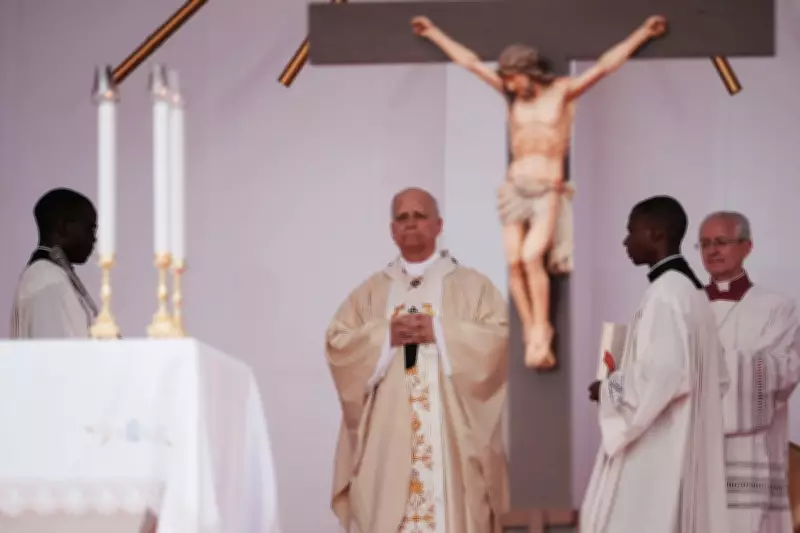
The Pontiff presided over Sunday Mass in Kilamba, located approximately 30 kilometers south of Luanda, Angola's capital. This spiritual gathering marked a key moment in his pilgrimage, which aims to foster unity and address historical wounds. The shrine, deeply embedded in Angola's complex past, served as a critical site during the transatlantic slave trade, where countless Africans were forcibly taken. Pope Leo XIV's presence there is seen as a powerful gesture toward acknowledging this painful history and promoting healing through faith.
Context of the Apostolic Journey
This visit is part of a broader 11-day tour through Africa, where the Pope is engaging with local communities and leaders to strengthen Catholic ties and address contemporary social issues. By choosing this particular shrine, the Vatican emphasizes a commitment to confronting historical injustices and supporting reconciliation efforts. The trip has drawn international attention, highlighting the ongoing impact of colonialism and slavery on African societies.

In related developments, the Pope's journey coincides with various global events, but his focus remains on spiritual outreach and historical reflection. The Angolan government and local religious authorities have welcomed his visit, viewing it as an opportunity to promote peace and dialogue. As Pope Leo XIV continues his travels, observers note the symbolic importance of such sites in fostering a deeper understanding of Africa's heritage and the Catholic Church's role in its history.