Jack Harlow's 'Got Blacker' Comment Ignites Cultural Appropriation Firestorm
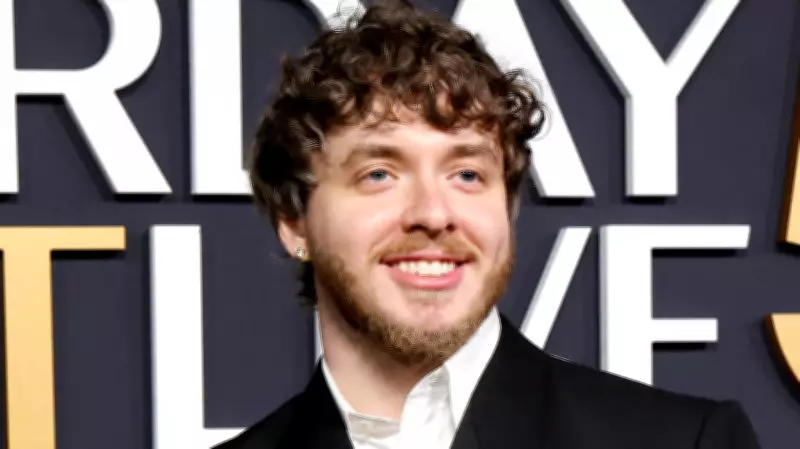
In a recent interview that has since gone viral, Grammy-nominated rapper and singer Jack Harlow made a statement that has sparked intense debate across social media and music communities. The Kentucky-born artist, who is white, appeared on The New York Times' "Popcast" last week to discuss his newly released album "Monica," where he described his musical approach in terms that many have found problematic.
The Controversial Statement
Harlow explained that while recording "Monica," he chose to emphasize his love of R&B rather than explore other genres like country or pop-rock. "I got Blacker," Harlow stated. "I love Black music. I love the sound of Black music. And, of course, I'm hyper-aware of the politics of today — the safer landing spot that a lot of my white contemporaries have found."
The six-time Grammy nominee went on to clarify that he hoped to take "the route that might not be expected," but is "the one I genuinely want to take" in his current studio work. However, his choice of words quickly drew criticism from listeners and fellow musicians alike.
Immediate Backlash and Criticism
Within hours of the interview's publication, social media platforms erupted with reactions to Harlow's comments. Many users accused him of cultural appropriation — a criticism that has followed Harlow and his white musical peers, including Machine Gun Kelly and Post Malone, throughout their careers.
Rapper and producer Terrence "Punch" Henderson Jr., known for his work with Kendrick Lamar and SZA, responded directly on X: "Got Blacker is wild. How exactly does one get 'Blacker'?"
On Instagram, another user expressed frustration: "I don't care what point anybody is trying to make. I don't ever want to hear a white man say 'I got Blacker' ever again."
Mixed Reactions and Broader Context
While many criticized Harlow's phrasing as cringeworthy and inappropriate, some observers offered more nuanced perspectives. Some social media users pointed to the long history of white performers referencing Black musical traditions without proper acknowledgment, suggesting that Harlow's transparency about his influences might represent progress.
"It's a bold move that shows he's committed to authenticity and respecting the roots of the music," one person wrote in defense of the artist.
Others were less charitable, dubbing Harlow "Ghostface Vanillah" and calling him "the most performative white dude ever." The debate has highlighted ongoing tensions in the music industry regarding cultural exchange versus appropriation.
Album Reception and Industry Response
Despite the controversy surrounding his comments, early reviews of "Monica" have been largely positive. Variety described the album as "a reverent but respectful reflection of its influences," suggesting that the musical content itself may be receiving different treatment than Harlow's interview statements.
Representatives for Jack Harlow did not immediately respond to requests for comment regarding the backlash. The long-term impact of this controversy on the album's commercial success remains uncertain, as does its effect on Harlow's standing within both mainstream and hip-hop communities.
Broader Implications for Music Industry
This incident has reignited important conversations about cultural appropriation in popular music. Harlow's reference to "the safer landing spot that a lot of my white contemporaries have found" acknowledges the complex dynamics white artists navigate when engaging with Black musical traditions.
The controversy comes at a time when discussions about authenticity, representation, and cultural respect in music have become increasingly prominent. As artists continue to draw from diverse musical traditions, Harlow's experience serves as a reminder of the sensitivity required when discussing cross-cultural influences.
Whether this controversy will prompt more thoughtful dialogue about cultural exchange in music or simply fade as another social media flare-up remains to be seen. What is clear is that Harlow's attempt to describe his musical evolution has touched a nerve in ongoing conversations about race, culture, and artistic expression in contemporary music.