Biodegradable Mardi Gras Beads Pave Way for Greener Carnival Celebrations
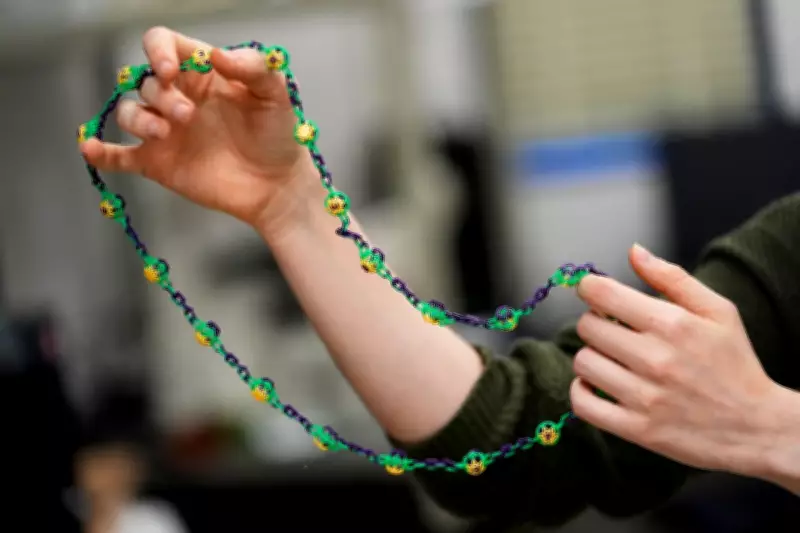
In a significant stride towards environmental sustainability, researchers at Louisiana State University have unveiled a groundbreaking development: biodegradable Mardi Gras beads. This innovation aims to tackle the pervasive issue of plastic waste generated during the vibrant Carnival season, offering a promising alternative to traditional plastic throws that often litter streets and waterways.
Addressing a Persistent Environmental Challenge
Mardi Gras, renowned for its exuberant parades and festive atmosphere, has long been associated with an overwhelming amount of plastic debris. Each year, millions of plastic beads are tossed from floats, only to end up in landfills or polluting natural environments. The new biodegradable beads, spearheaded by Alexis Strain, a graduate student in biological sciences at LSU, represent a concerted effort to mitigate this environmental impact.
"Our goal is to create beads that break down naturally without harming the ecosystem," explained Strain during a demonstration in Baton Rouge on January 27, 2026. "By leveraging sustainable materials, we can preserve the tradition of bead-throwing while protecting our planet."

Innovation in Material Science
The development process involves utilizing organic compounds that decompose over time, reducing the long-term environmental footprint. Unlike conventional plastic beads, which can persist for centuries, these biodegradable versions are designed to degrade within a matter of months under typical environmental conditions.
- Eco-Friendly Composition: The beads are crafted from plant-based polymers and other natural materials, ensuring they are non-toxic and safe for the environment.
- Durability and Aesthetics: Despite their biodegradable nature, the beads maintain the vibrant colors and durability expected by revelers, ensuring they do not compromise the festive experience.
- Scalability Potential: Researchers are optimistic about mass-producing these beads, making them accessible for widespread use in future Carnival seasons.
Broader Implications for Sustainability
This initiative aligns with growing global efforts to reduce plastic pollution and promote circular economy principles. By introducing biodegradable alternatives, LSU's research contributes to a larger movement towards sustainable event management and responsible consumption.
"Every small step counts in the fight against plastic waste," noted an environmental scientist familiar with the project. "Innovations like these demonstrate how tradition and sustainability can coexist, inspiring similar efforts in other festive contexts worldwide."
As Carnival season approaches, the adoption of biodegradable beads could mark a turning point in how communities celebrate while honoring environmental stewardship. With continued research and public support, such innovations hold the potential to transform seasonal festivities into models of ecological responsibility.